If your pipes bang, thud or knock when you turn off a tap, flush the toilet or the washing machine stops filling, you are probably hearing water hammer. It is one of the most common causes of noisy pipes in UK homes, and while it can sound dramatic, the underlying problem is usually straightforward: moving water has been forced to stop too quickly.
The important question is not just “how do I stop the noise?” It is “what is causing the shock, and is it putting stress on my plumbing?” Some cases are a simple matter of loose pipe clips or fast-closing appliance valves. Others point to high mains pressure, worn valves or pipework that needs proper repair.
What is water hammer?
Water hammer is a pressure shockwave inside your plumbing. Water moving through a pipe has momentum. When a valve closes suddenly, that moving water has nowhere to go, so the energy travels through the pipework as a sharp pressure pulse. You hear it as a bang, knock or thud.
This often happens when a washing machine, dishwasher, toilet fill valve or modern mixer tap shuts off quickly. These valves can close much faster than an older tap, so the water column stops abruptly rather than slowing down gently.
A single quiet knock may not be urgent, but repeated banging pipes should not be ignored. Over time, the pressure shock can strain joints, loosen pipe clips, wear out valves and increase the risk of leaks, especially in older pipework or areas that have already been repaired.
Why are my pipes banging?
Banging pipes usually come down to one or more of these causes.
Fast-closing valves
Appliances are frequent culprits. Washing machines and dishwashers use solenoid valves that can snap shut in an instant. If the appliance is connected to long pipe runs or older plumbing, that sudden stop can create a loud knock.
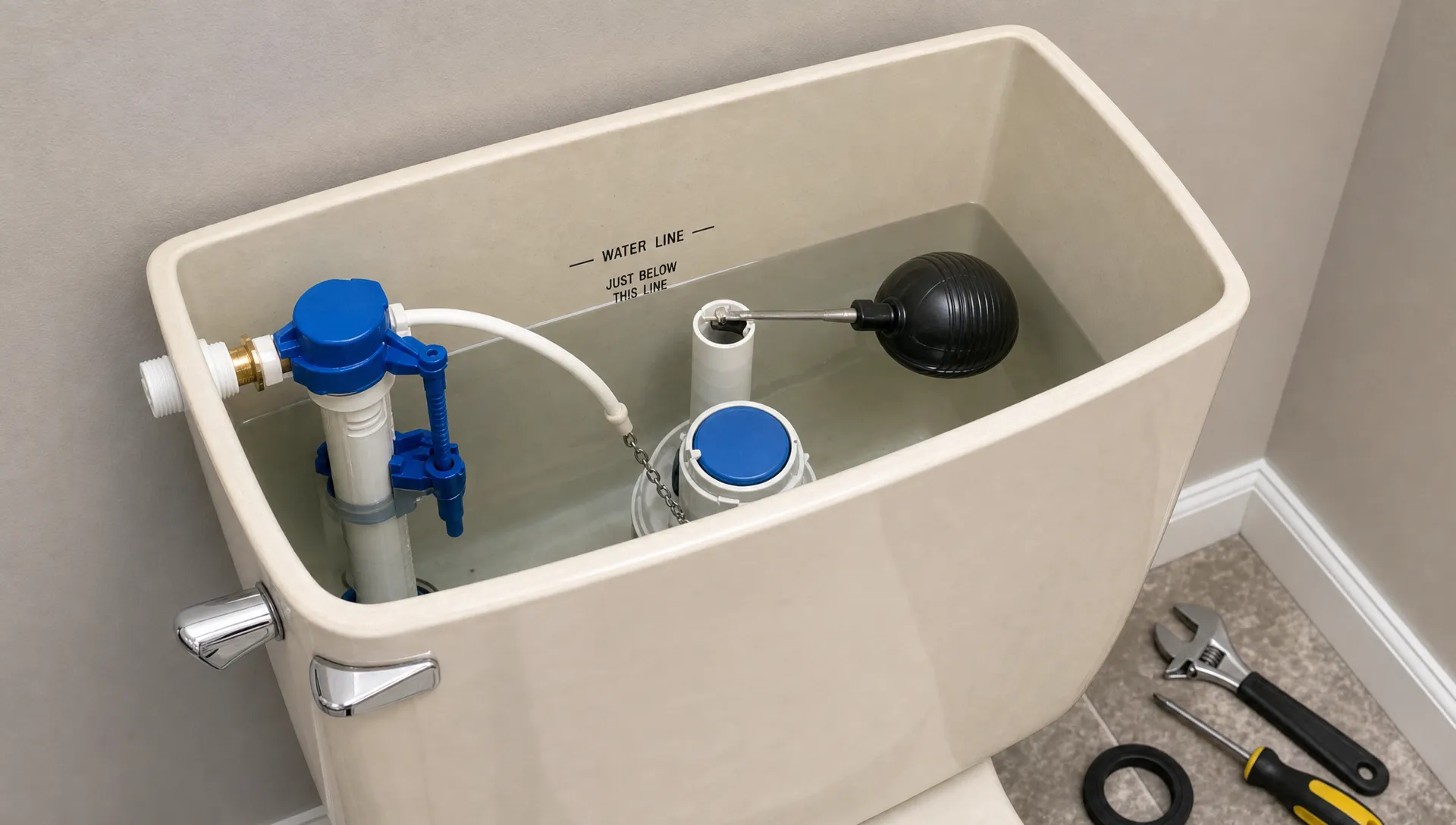
Toilet fill valves can do the same, particularly if the internal valve is worn, scaled or closing unevenly. In hard water areas, limescale can make valves less smooth, increasing vibration and noise.
High water pressure
Higher pressure makes water hammer more likely and more forceful. Many homeowners notice the issue after a new boiler, bathroom, kitchen or appliance installation because the plumbing dynamics have changed.
High pressure can also worsen other problems, such as dripping taps, noisy valves and weak pipe joints. If you have pressure concerns alongside banging pipes, it may be worth comparing symptoms with TradesLocal’s guide on what to do when you have low water pressure, because both high and low pressure can point to wider plumbing issues.
Loose or unsupported pipework
Sometimes the shockwave is only part of the problem. If pipes are not clipped securely, they can move against joists, floorboards, walls or cabinets whenever water flow changes. The result is a louder knocking sound, even if the pressure shock itself is moderate.
This is common under sinks, behind washing machines, in airing cupboards, beneath floorboards and in older properties where pipe clips have loosened over time.
Old air chambers that no longer cushion the system
Some older plumbing systems include capped vertical pipe sections designed to trap air and cushion sudden pressure changes. Over time, these can fill with water and stop working. Modern systems are more likely to use purpose-made water hammer arrestors, which contain a sealed cushion that absorbs the shock.
Heating pipes expanding or contracting
Not every knocking noise is water hammer. If the sound happens when the heating comes on or cools down, it may be caused by pipes expanding and rubbing against timber, tight notches or floorboards. Radiators, thermostatic radiator valves and boiler circulation issues can also create tapping or knocking sounds that are easy to confuse with plumbing water hammer.
Water hammer or another noisy pipe problem?
The timing of the noise is the biggest clue. Use the table below as a starting point.
| What you hear | When it happens | Likely cause | First thing to check |
|---|---|---|---|
| One loud bang | Just after a tap, toilet or appliance shuts off | Water hammer | Appliance valves, toilet fill valve, mains pressure |
| Repeated rattling | While water is running | Loose pipework or valve vibration | Visible pipe clips and flexible hoses |
| Tapping or ticking | As heating warms up or cools down | Pipe expansion | Heating pipe routes and radiator areas |
| Gurgling | Around sinks, baths or drains | Air or drainage restriction | Waste pipes and slow-draining fixtures |
| Constant hiss or trickle | Even when no water is being used | Possible leak or faulty valve | Water meter, damp patches, boiler pressure |
If the noise is paired with damp smells, staining, mould, unexplained boiler pressure loss or a rising water bill, do not treat it as just a noise issue. Those symptoms can suggest a leak or failing pipework, and a qualified plumber can investigate through leak detection and pipe repairs before the problem becomes more expensive.
How to stop water hammer in your home
The right fix depends on the cause. Start with simple observations before adjusting anything.
Identify the trigger
Spend a few minutes working out exactly when the bang happens. Turn taps on and off one at a time, flush toilets, and listen when the washing machine or dishwasher fills. If the bang always follows one fixture or appliance, the solution is likely to be local to that point.
For example, if the noise only happens when the washing machine stops filling, a water hammer arrestor near the washing machine valve may solve it. If every tap causes a bang, the issue may be pressure-related or caused by unsecured main pipework.
Check visible pipework for movement
Look under sinks, around toilets, behind appliances and near the stop tap. If a pipe jumps, rattles or hits a surface when water is turned off, it may need clipping or cushioning.
Pipe clips should hold pipework firmly without crushing it. Where pipes pass through timber, walls or cabinets, they may need appropriate sleeving or clearance so they do not strike surrounding materials. If the noisy section is hidden under flooring or behind a wall, it is usually better to call a professional rather than cutting into surfaces unnecessarily.
Fit a water hammer arrestor
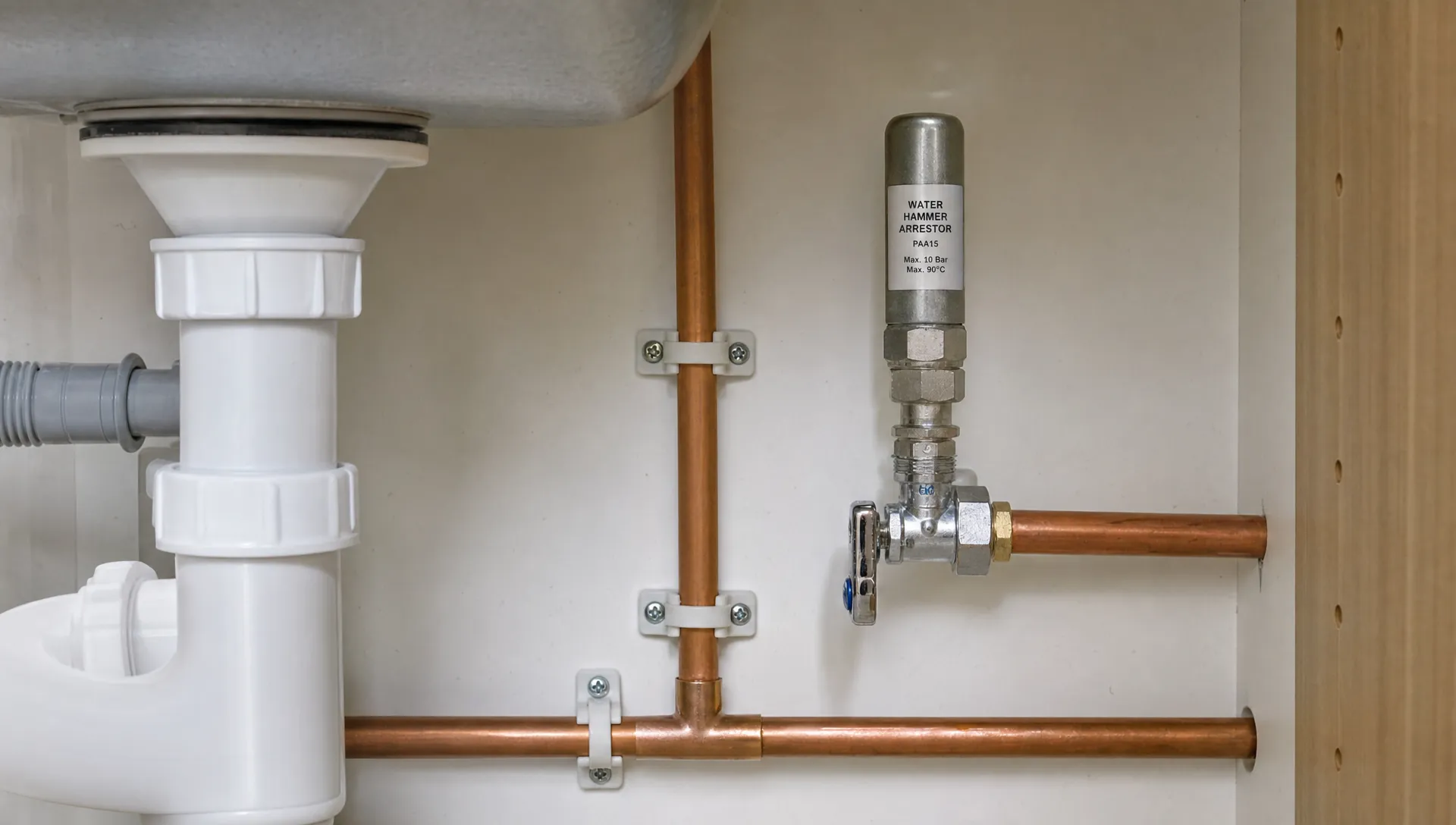
A water hammer arrestor is a small device installed near the valve that is creating the shock. It absorbs the pressure spike before it travels through the pipework. This is often the best solution for washing machines, dishwashers and quick-closing taps.
For UK homes, fittings should be suitable for the water supply and installed in line with relevant water regulations. A plumber can choose the correct size and position, especially where access is tight or pipework is older.
Consider pressure control
If your mains pressure is too high, arrestors may reduce the noise but not solve the underlying cause. A pressure reducing valve can control incoming pressure and protect taps, valves, appliances and pipework.
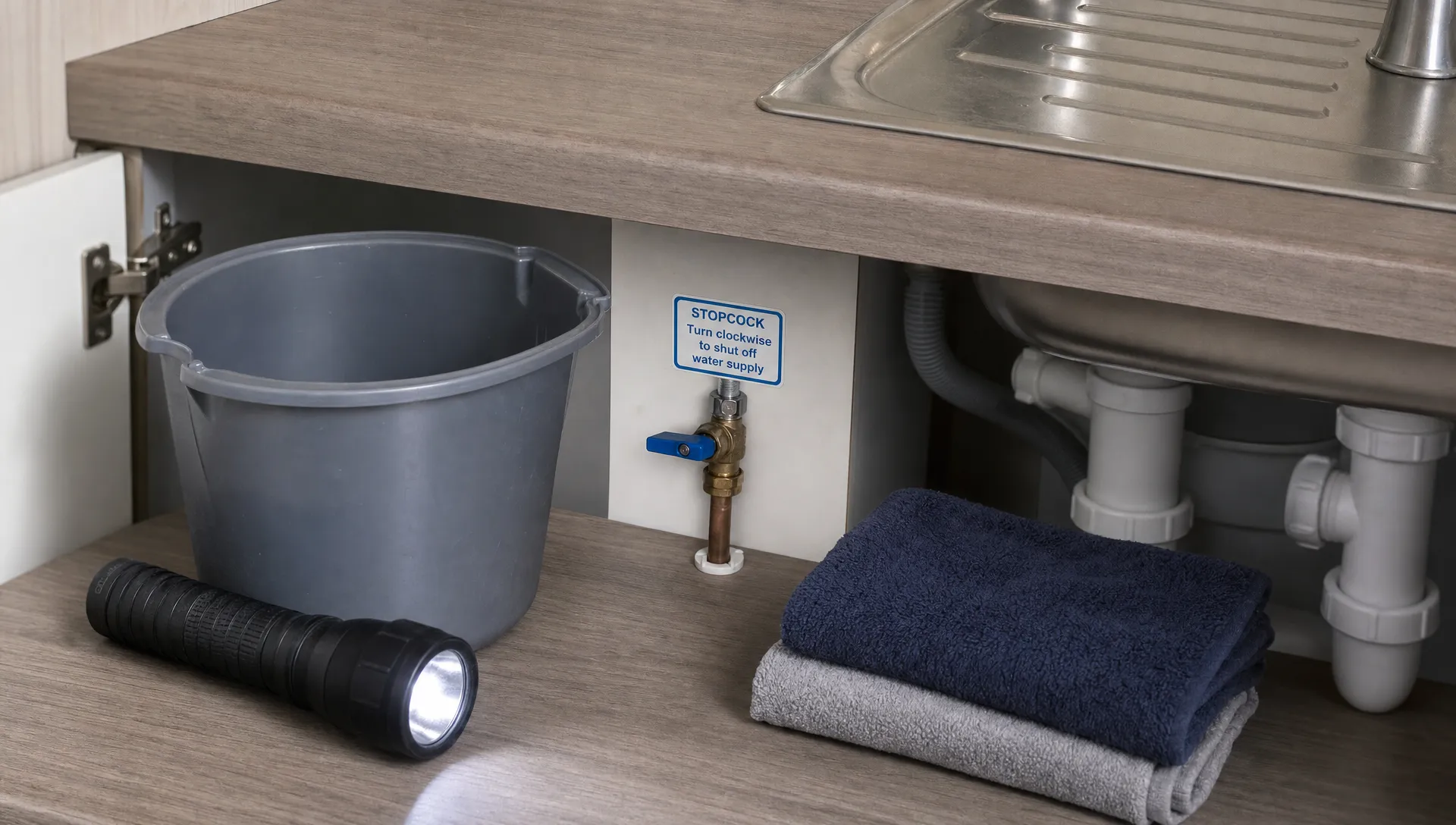
This is not the same as partly closing your stop tap. A stop tap is designed to isolate the supply, not regulate pressure. Leaving it half-closed can restrict flow, create turbulence and sometimes make noisy pipes worse. If pressure control is needed, use a proper pressure reducing valve installed by a competent plumber.
Repair or replace worn valves
Old toilet fill valves, stiff taps, faulty washing machine valves and scaled mixer cartridges can all create shock or vibration. Replacing a worn valve may be enough to stop the banging, particularly if the noise started gradually rather than after a new installation.
If you are already planning a kitchen, bathroom or whole-home refurbishment, it is wise to address pipe layout, clipping and pressure control at design stage rather than after the finishes are complete. That principle applies to projects anywhere, from UK home upgrades to international renovations handled by home and villa renovation specialists who coordinate plumbing with wider interior works.
Do not ignore leaks or emergency signs
Water hammer can expose weak spots in a system. If the banging is followed by a leak, a sudden drop in water pressure or water marks on ceilings or walls, turn off the water supply and get help quickly. If a pipe has already failed, TradesLocal’s advice on how to deal with a burst pipe emergency explains the immediate steps to reduce damage before a plumber arrives.
Can you fix water hammer yourself?
Some checks are safe for a careful homeowner. You can identify which tap or appliance triggers the noise, inspect visible pipes for movement, check whether appliance hoses are kinked and make sure accessible isolation valves are fully open.
However, you should be cautious with anything involving cutting pipework, installing pressure controls, working near electrical appliances, altering boiler pipework or opening up floors and walls. Poorly fitted plumbing can cause leaks, contamination risks and damage that costs far more than the original repair.
Here is a practical way to decide what is reasonable.
| Situation | DIY check | When to call a plumber |
|---|---|---|
| Bang happens only at one appliance | Confirm the appliance is the trigger and check visible hoses | If an arrestor or valve replacement is needed |
| Pipes visibly move under a sink | Check for loose clips or contact points | If clips are missing, pipes are strained or access is awkward |
| Whole house bangs when taps shut | Note which fixtures are affected | If pressure testing or a pressure reducing valve is needed |
| Noise started after recent plumbing work | Record when the sound occurs | If pipework may be unsupported or incorrectly configured |
| Noise comes with damp, stains or pressure loss | Turn off water if needed | Arrange leak detection urgently |
How to prevent banging pipes after repairs or renovations
The best time to prevent water hammer is when plumbing work is being installed or altered. Good pipe design considers pipe runs, clipping, appliance valves, water pressure and access for future maintenance.
If you are replacing a kitchen, moving a washing machine, adding an en-suite or upgrading a bathroom, ask whether water hammer protection is needed near fast-closing valves. It is much easier to fit arrestors and secure pipes while cupboards, flooring or wall panels are already open.
In older UK properties, prevention may also involve replacing tired valves, removing redundant pipe runs and improving pipe support. This can reduce noise and help protect the system from unnecessary strain.
Frequently asked questions
Is water hammer dangerous? Water hammer is not usually dangerous in the immediate sense, but repeated pressure shocks can stress joints, valves and pipework. It is worth investigating if the banging is loud, frequent or getting worse.
Why do my pipes bang when the washing machine stops? Washing machines use fast-closing valves. When the valve shuts suddenly, the moving water stops abruptly and creates a pressure shock. A correctly fitted water hammer arrestor near the appliance often helps.
Can high water pressure cause noisy pipes? Yes. High pressure can make water hammer louder and place extra strain on plumbing components. If several fixtures cause banging, a plumber may recommend pressure testing and, if needed, a pressure reducing valve.
Are knocking pipes always water hammer? No. Knocking pipes can also be caused by loose pipe clips, heating pipe expansion, trapped air, faulty valves or drainage issues. The timing of the noise is the best clue.
Will turning down the stop tap stop water hammer? It may change the noise, but it is not a proper fix. A stop tap is for isolating the supply, not controlling pressure. If pressure is the issue, a suitable pressure reducing valve is the safer solution.
When should I call a plumber for banging pipes? Call a plumber if the bang is violent, affects the whole house, started after plumbing work, comes with leaks or damp patches, or continues after simple checks.
Need help with banging or knocking pipes?
Banging pipes are often fixable, but the right solution depends on the cause. TradesLocal provides fast-response plumbing support across the UK, including emergency callouts, pipe repairs, leak detection and help with noisy pipework.
If your pipes are banging, knocking or rattling and you want the issue checked properly, request a fast callback through TradesLocal and get a qualified specialist to assess the problem before it turns into a leak or a bigger repair.