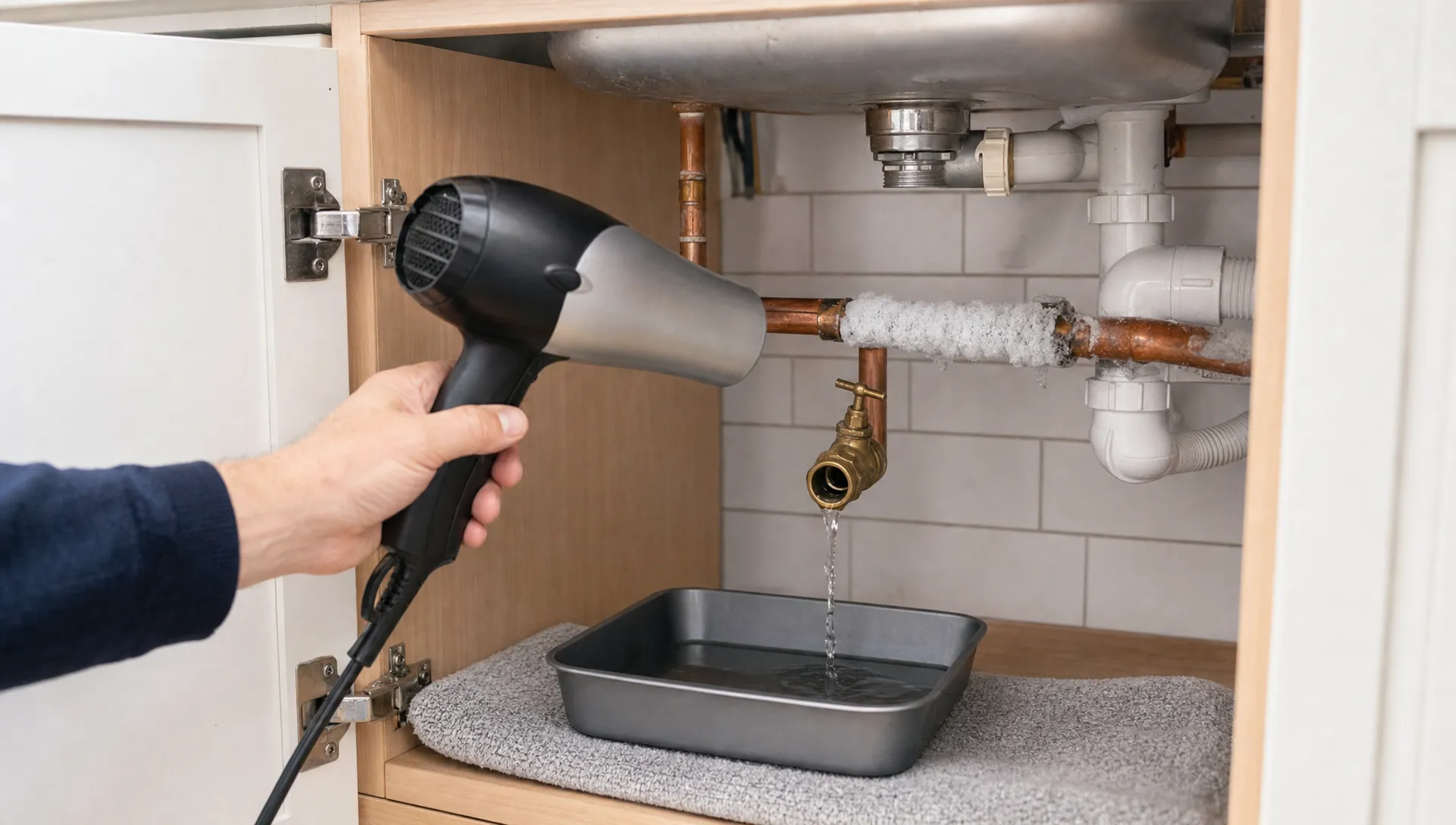
A burst pipe is one of the most stressful plumbing emergencies a homeowner can face. Within minutes, water can flood through ceilings, walls, and floors — causing thousands of pounds worth of damage. Knowing exactly what to do in those first critical moments can make all the difference. This guide walks you through every step, from shutting off the water supply to calling in a professional.
Immediate Steps to Take When a Pipe Bursts
Acting fast is essential. The moment you suspect a burst pipe, follow these steps in order:
- Turn off the stopcock immediately — this is the single most important action you can take. It cuts off the mains water supply to your home and stops more water from entering the system.
- Drain the system — turn on all cold taps in the property to drain any remaining water from the pipes. Flush toilets to empty the cisterns. This reduces the pressure in the system and limits further leakage.
- Switch off your boiler and central heating — if the burst is near your heating system, turn it off at the thermostat or programmer. Do not use the heating again until the pipe has been repaired.
- Turn off the electricity if water is near electrics — if water is dripping near sockets, fuse boxes, or light fittings, switch off the electricity at the consumer unit. Never touch electrical fittings with wet hands.
- Collect the water and document the damage — use buckets, towels, and mops to contain the water. Take photos and videos of the damage for your home insurance claim.
How to Locate Your Stopcock
The stopcock (also called the stop valve or mains water shut-off valve) controls the flow of water into your entire property. If you don’t already know where yours is, find it now — before an emergency strikes.
Common locations for the internal stopcock include:
- Under the kitchen sink (the most common location in UK homes)
- In a downstairs bathroom or utility room
- In the airing cupboard
- Near the front door or in the hallway
- In a cellar or basement
To turn it off, rotate the valve clockwise (remember: righty tighty, lefty loosey). If the valve is stiff or hasn’t been turned in years, apply gentle pressure — do not force it. There is also an external stopcock located in a small chamber in the pavement or driveway outside your home, which your water supplier can operate if the internal one fails.
Temporary Fixes While You Wait for a Plumber
Once the water is off, you may be able to apply a temporary fix to the burst section of pipe. These are not permanent solutions, but they can help minimise damage until a qualified plumber arrives.
Pipe Repair Tape
Self-amalgamating tape (also called silicone repair tape) can be wrapped tightly around a small crack or pinhole leak. It bonds to itself without adhesive and creates a watertight seal. Dry the pipe thoroughly before applying, and wrap the tape in overlapping layers extending well beyond the damaged area.
Pipe Repair Clamps
A pipe repair clamp (available from most DIY stores) consists of a rubber pad and a metal sleeve that clamps over the damaged section. These are suitable for straight sections of pipe and can hold for several days under normal pressure.
Epoxy Putty
Two-part epoxy putty can be kneaded together and moulded around a leak. It sets hard within minutes and can withstand water pressure. Again, the pipe must be dry and the water supply off before application.
Important: these are emergency measures only. Always have the pipe properly repaired or replaced by a qualified plumber as soon as possible.
How to Prevent Burst Pipes in Winter
The majority of burst pipes in the UK occur during cold snaps in winter. When water freezes inside a pipe, it expands and can split the pipe wall — often without any visible warning. The burst typically becomes apparent only when the ice thaws and water begins to flow again.
Follow these preventative measures to protect your pipework during cold weather:
- Insulate exposed pipes — fit foam lagging to pipes in unheated areas such as lofts, garages, and under-floor spaces. This is inexpensive and highly effective.
- Keep your heating on low — if you’re going away in winter, set your thermostat to at least 12–15°C rather than turning the heating off completely.
- Know where your stopcock is — and make sure all household members know too. Test it periodically to ensure it turns freely.
- Seal draughts near pipes — cold air entering through gaps in walls, floors, or around windows can freeze nearby pipework. Seal gaps with draught excluder or expanding foam.
- Drip your taps in extreme cold — allowing a slow trickle of water through the taps keeps water moving and reduces the risk of freezing.
- Service your boiler annually — a well-maintained boiler is less likely to break down in cold weather, keeping your heating system running when you need it most.
When to Call an Emergency Plumber
While temporary fixes can buy you time, a burst pipe always requires professional repair. You should call an emergency plumber immediately if:
- You cannot locate or operate the stopcock
- Water is leaking near electrical fittings or the consumer unit
- The leak is coming from a concealed pipe inside a wall or ceiling
- Water is flooding rapidly and you cannot contain it
- The burst has caused structural damage to ceilings, floors, or walls
- You are unsure of the extent of the damage
A qualified emergency plumber will be able to locate the source of the burst, carry out a lasting repair, and assess whether any other pipework has been compromised. All plumbing work must comply with the Water Supply (Water Fittings) Regulations 1999, so always use a local, qualified tradesperson who is registered with a recognised trade body such as the Chartered Institute of Plumbing and Heating Engineering (CIPHE) or who holds a WaterSafe accreditation.
Don’t forget to contact your home insurer as soon as possible. Most buildings and contents insurance policies cover escape of water damage, but you may need to act quickly to meet the terms of your policy.