Owning a home in the UK means contending with everything from bitter winter frosts to soggy autumn downpours. The good news is that a little preventative maintenance each season can save you significant time, money, and stress in the long run. This checklist walks you through the most important tasks to tackle throughout the year, so your home stays safe, warm, and well-maintained no matter what the British weather throws at it.
Spring: Shake Off the Winter Damage
After months of cold, damp weather, spring is the ideal time to assess any damage winter may have caused and get your home ready for the warmer months ahead.
Check Your Roof After Winter
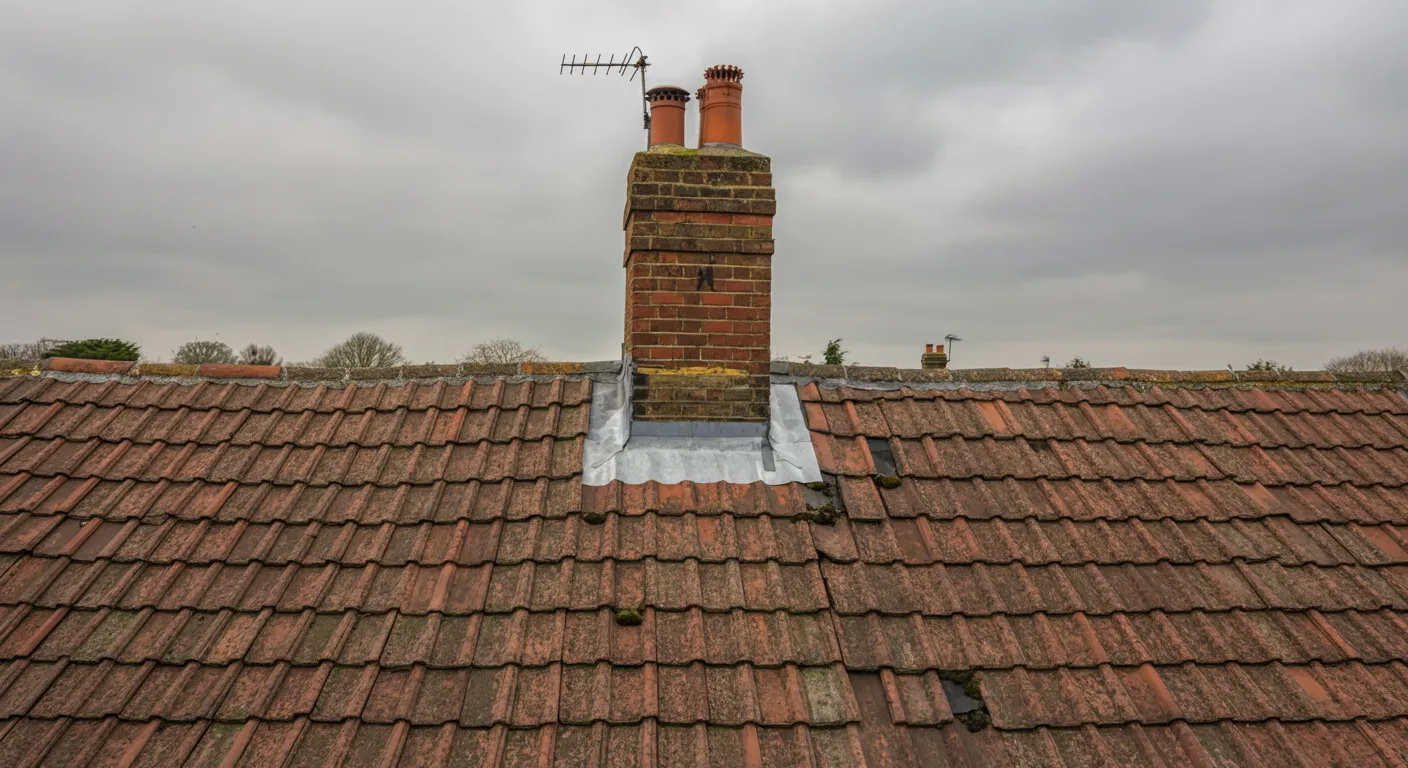
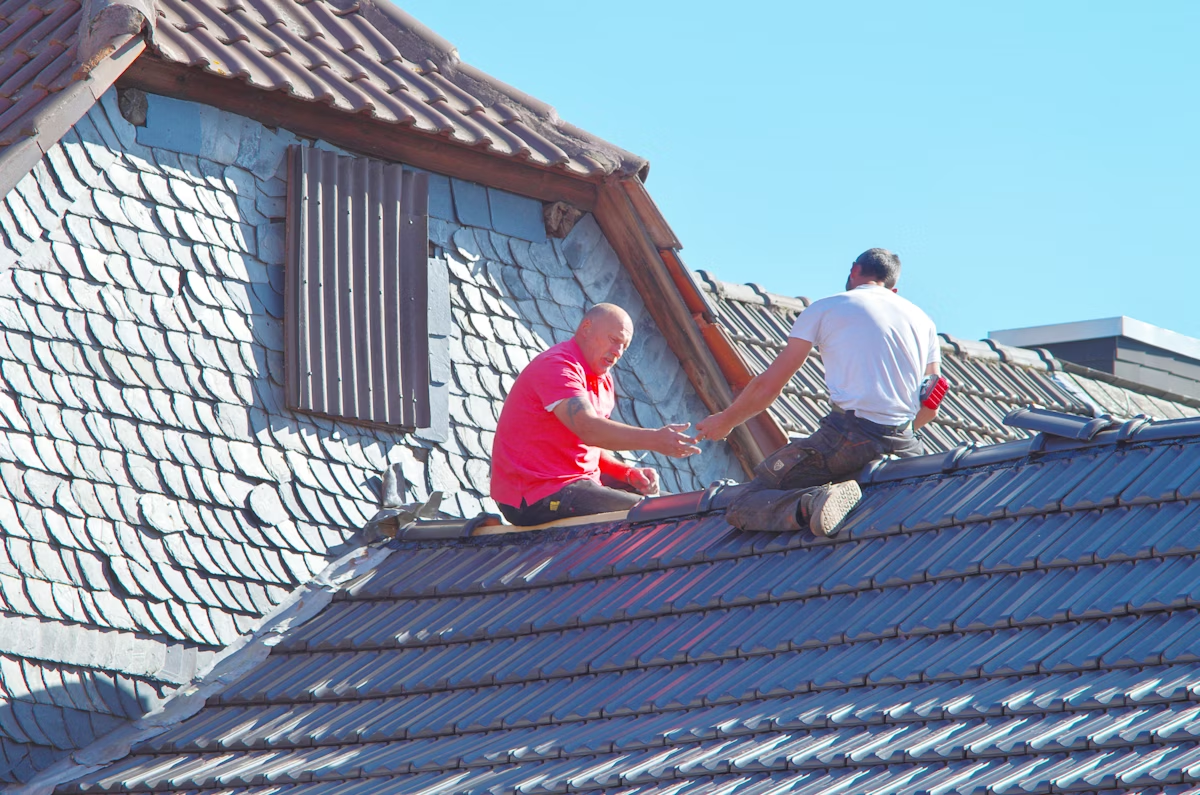
Winter storms, frost, and high winds can dislodge or crack roof tiles, damage flashing, and block or break gutters. From the ground, use binoculars to scan your roof for missing, cracked, or lifted tiles. If you spot anything concerning, call a qualified roofer — never attempt to climb onto your roof without the proper equipment and training. Catching a small issue now can prevent a costly leak later in the year.
Service Your Boiler
Spring is a great time to book your annual boiler service, before the summer rush and well ahead of the next heating season. A Gas Safe registered engineer will check that your boiler is running safely and efficiently, clean key components, and flag any parts that may need replacing. Regular servicing extends the life of your boiler and keeps your warranty valid.
Clear Your Gutters
Winter leaves, debris, and even bird nests can clog your gutters over the colder months. Blocked gutters cause water to overflow and run down your exterior walls, leading to damp problems and potential structural damage. Clear them out thoroughly in spring, and check that downpipes are flowing freely. If you’re not comfortable working at height, a local tradesperson can do this quickly and safely.
Inspect Exterior Paintwork and Render
Frost and moisture can cause exterior paint to bubble, crack, or peel, and render to develop hairline cracks. Walk around your property and look for any areas that need attention. Touching up paintwork and sealing small cracks in render now will protect your walls from moisture ingress throughout the rest of the year.
Summer: Maintain, Test, and Prepare
The longer, drier days of summer give you the perfect opportunity to tackle outdoor maintenance and carry out checks that are easier in good weather.
Check Windows and Doors
Inspect the seals and frames around all your windows and doors. Over time, silicone sealant can shrink, crack, or pull away, allowing draughts and moisture to enter. Re-seal any gaps with a suitable exterior-grade silicone. Check that all windows open, close, and lock properly — this is also a good time to oil hinges and lubricate locks to keep them working smoothly.
Inspect Garden Drainage
After heavy spring rains, you may have noticed areas of your garden or driveway where water pools. Summer is the time to address these drainage issues before autumn arrives with its heavier rainfall. Check that any drainage channels or soakaways are clear, and consider whether any low-lying areas need re-grading or additional drainage solutions. Poor garden drainage can eventually affect your foundations if left unaddressed.
Test Smoke and Carbon Monoxide Alarms
It takes only seconds to press the test button on your smoke and carbon monoxide alarms, yet many homeowners forget to do it regularly. Test every alarm in your home, replace any batteries that are running low, and check the manufacture date — most alarms should be replaced every 10 years. This simple task could save your life.
Autumn: Get Ready for the Cold
As temperatures begin to drop and the leaves start to fall, autumn is your window to prepare your home for the challenges of winter. Don’t leave these tasks until the cold has already set in.
Bleed Your Radiators
If your radiators have cold spots at the top, they contain trapped air that’s reducing their efficiency. Bleeding your radiators releases this air and allows hot water to circulate properly, meaning your home heats up faster and your boiler doesn’t have to work as hard. You’ll need a radiator bleed key (available from any DIY store) and a cloth to catch any drips. Once you’ve bled all the radiators, check your boiler pressure and top it up if needed.
Lag Your Pipes
Exposed pipes in unheated spaces — such as lofts, garages, and under-floor voids — are vulnerable to freezing during cold snaps. Pipe lagging (foam insulation tubes) is inexpensive and straightforward to fit. Pay particular attention to pipes in your loft and any that run along exterior walls. A burst pipe can cause thousands of pounds of damage, so this is one of the most cost-effective things you can do to protect your home.
Clear Gutters of Autumn Leaves
Falling leaves are the number one cause of blocked gutters in the UK. Even if you cleared them in spring, gutters can fill up rapidly during autumn. Check and clear them at least once during October or November, and again after the main leaf fall is over. Consider fitting gutter guards if your property is surrounded by trees — they won’t eliminate the need for maintenance entirely, but they’ll significantly reduce the build-up.
Check Your Loft Insulation
Up to 25% of a home’s heat can be lost through an uninsulated or poorly insulated roof. Head up into your loft and check the depth and condition of your insulation. Current recommendations suggest a minimum of 270mm of mineral wool insulation. If yours is thinner, patchy, or damaged, topping it up is a relatively straightforward job that can make a noticeable difference to your energy bills throughout winter.
Winter: Stay Safe and Warm
Winter in the UK can bring freezing temperatures, ice, and storms. The key is preparation — knowing what to do before a problem occurs makes all the difference.
Know Where Your Stopcock Is
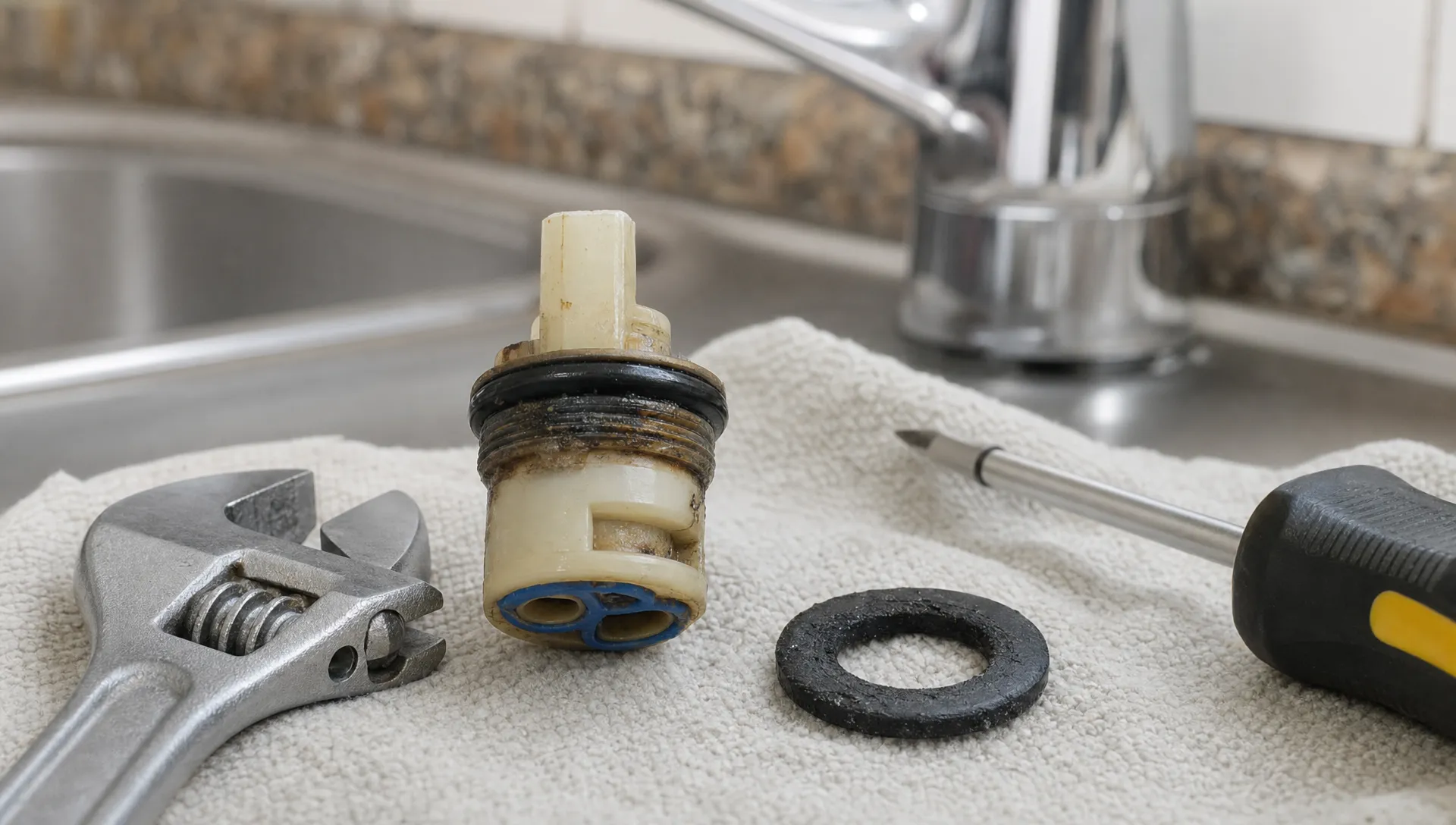
If a pipe bursts, the first thing you need to do is turn off your water supply at the stopcock. Do you know where yours is? Most are located under the kitchen sink, but they can also be found in a utility room, garage, or outside in a pavement box. Make sure every adult in your household knows where it is and that it can be turned easily. If it’s stiff or seized, a plumber can service it quickly — far better to find out now than in an emergency.
Check for Draughts
Draughts around doors, windows, letterboxes, and loft hatches can make your home feel significantly colder and push up your heating bills. On a cold, windy day, move your hand slowly around door and window frames to feel for cold air. Draught-proofing strips, brush seals for letterboxes, and keyhole covers are all inexpensive fixes available from DIY stores. For larger gaps around skirting boards or floorboards, a flexible filler or draught-proofing strip will do the job.
Keep Your Heating on Low If You’re Away
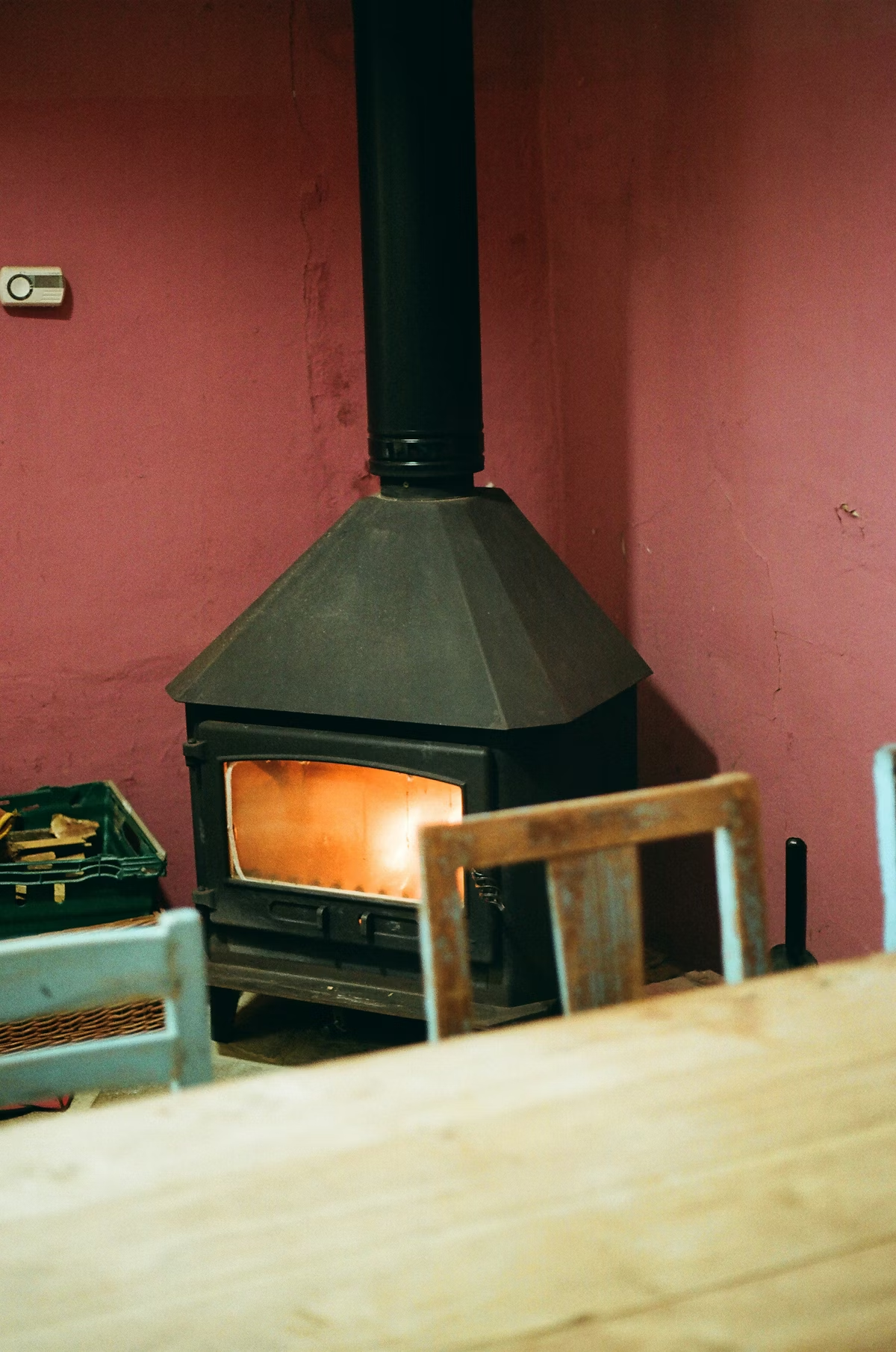
If you’re heading away over the Christmas period or for any extended time during winter, don’t turn your heating off completely. Set your thermostat to a minimum of 12–15°C to keep the property warm enough to prevent pipes from freezing. Many modern smart thermostats allow you to monitor and control your heating remotely, giving you peace of mind while you’re away.
A Well-Maintained Home Is a Happy Home
Seasonal home maintenance doesn’t have to be overwhelming. By breaking it down into manageable tasks spread across the year, you’ll stay on top of potential problems before they become expensive repairs. Keep a simple checklist on your phone or pinned to a noticeboard, and tick off each task as you complete it.
If you’re ever unsure about a job — particularly anything involving gas, electrics, or working at height — always call a qualified professional. The cost of getting expert help is almost always far less than the cost of putting right a problem that’s been left too long or tackled incorrectly.
For a free assessment of your home’s heating and plumbing systems, our experienced engineers are ready to help.