Every homeowner hopes they’ll never face a home emergency — but the reality is that burst pipes, gas leaks, power cuts, and tripped fuses can happen to anyone, at any time. Knowing what to do in those first critical minutes can prevent serious damage to your property, protect your family’s safety, and save you significant money. This guide covers the essential knowledge every UK homeowner should have to hand.
Know Where Your Stopcock Is (and How to Turn Off the Water)
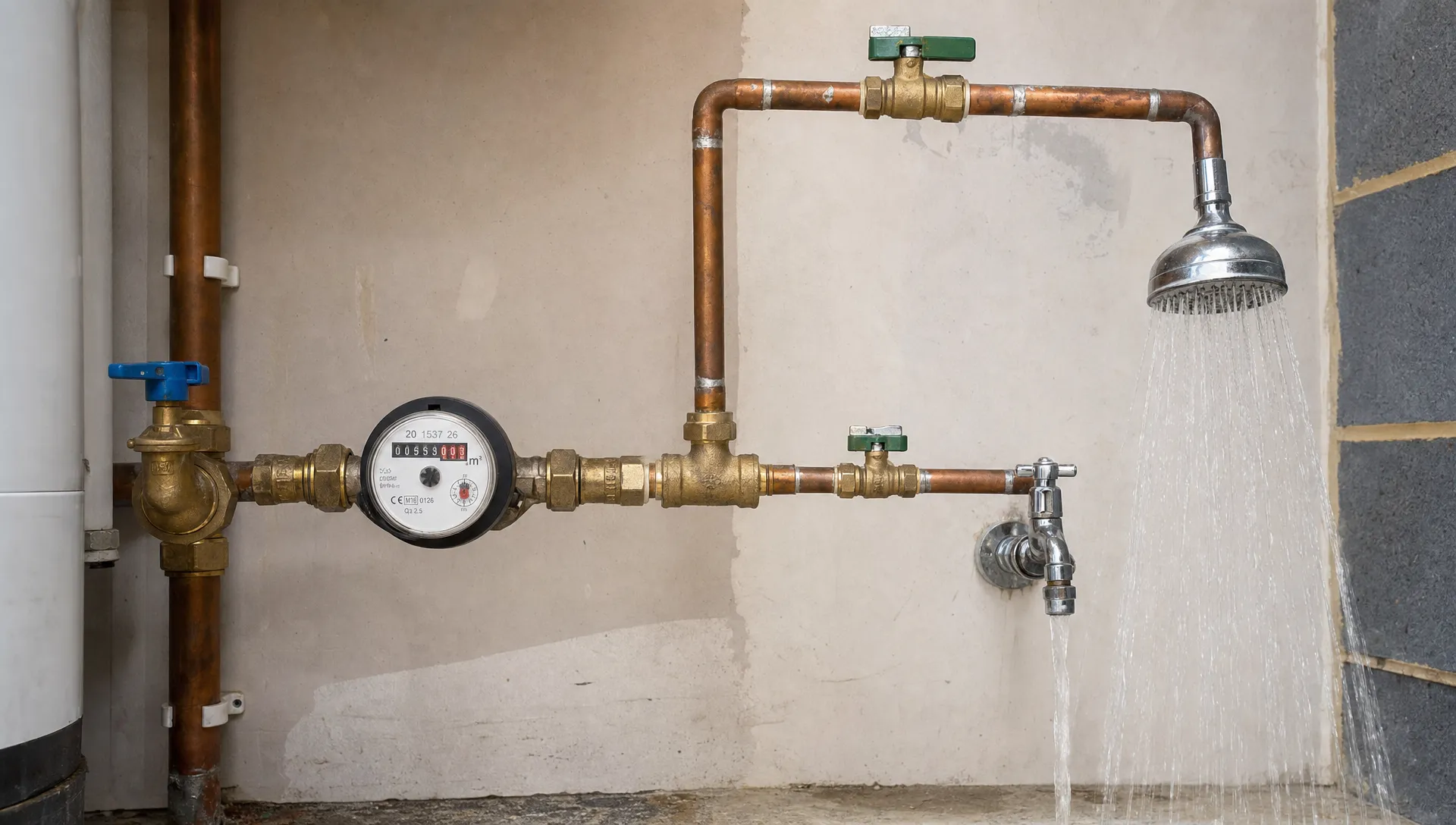
Your stopcock is the valve that controls the flow of mains water into your home. In an emergency — such as a burst pipe or a leaking appliance — being able to turn off the water quickly can prevent thousands of pounds worth of damage.
Most stopcocks are located under the kitchen sink, near the front door, or in a utility room. Some older properties have them in a cellar or beneath a floorboard near the front of the house. Take a few minutes now to locate yours before an emergency strikes.
To turn off the water, simply turn the stopcock handle clockwise (the old saying is: “righty tighty, lefty loosey”). Keep turning until it stops. If the valve is stiff or hasn’t been turned in years, avoid forcing it — a plumber can service it for you. It’s a good idea to test it occasionally so you know it works when you need it.
How to Turn Off the Gas Supply
Your gas meter is usually located outside the property in a box on an external wall, or inside in a cupboard — often under the stairs or in a hallway. Next to the meter, you’ll find the emergency control valve (ECV), which is a handle or lever on the gas pipe.
To turn off the gas, rotate the handle 90 degrees so that it sits perpendicular (at a right angle) to the pipe. When the handle is in line with the pipe, gas is flowing; when it’s across the pipe, the supply is off.
You should turn off the gas if you suspect a leak, if you’re going away for an extended period, or if a gas engineer advises you to do so. Never attempt to repair gas appliances or pipework yourself — always use a Gas Safe registered engineer.
What to Do If You Smell Gas
If you smell gas in your home, act immediately and calmly. Follow these steps without delay:
- Call the National Gas Emergency Service on 0800 111 999 — this line is free and available 24 hours a day, 7 days a week
- Do not turn any electrical switches on or off, and do not use a doorbell, mobile phone, or any other electrical device inside the property
- Do not light matches, candles, or any naked flame
- Open windows and doors to ventilate the property
- Turn off the gas at the meter if it is safe to do so
- Leave the property immediately and wait outside until the emergency services arrive
Never re-enter the property until you have been told it is safe to do so by a qualified engineer or emergency responder.
Resetting a Tripped Circuit Breaker
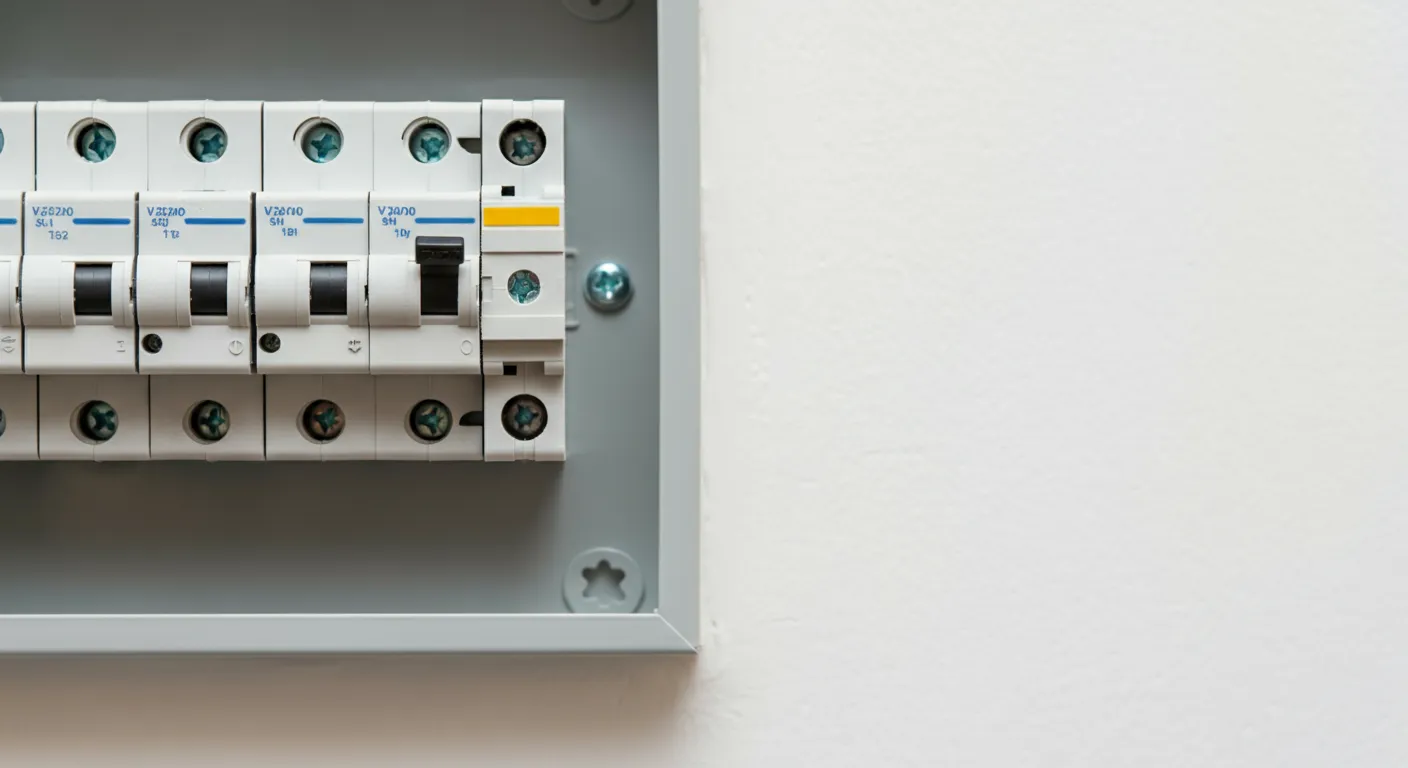
Your consumer unit (commonly called the fuse box) is the central hub for your home’s electrical circuits. It’s usually found in a hallway, under the stairs, or in a utility room. Modern consumer units contain miniature circuit breakers (MCBs) — small switches that automatically trip to the off position if a circuit is overloaded or a fault is detected.
If part of your home loses power, check the consumer unit. A tripped breaker will be in the middle position (neither fully on nor fully off) or in the off position, and it may look slightly out of line with the others.
To reset it, first switch off or unplug any appliances on that circuit. Then firmly push the tripped switch back to the on position. If it trips again immediately, there is likely a fault on that circuit — do not keep resetting it. Switch it off and call a qualified electrician.
If you are ever unsure about your electrics, always err on the side of caution and seek professional advice.
Dealing with a Burst Pipe
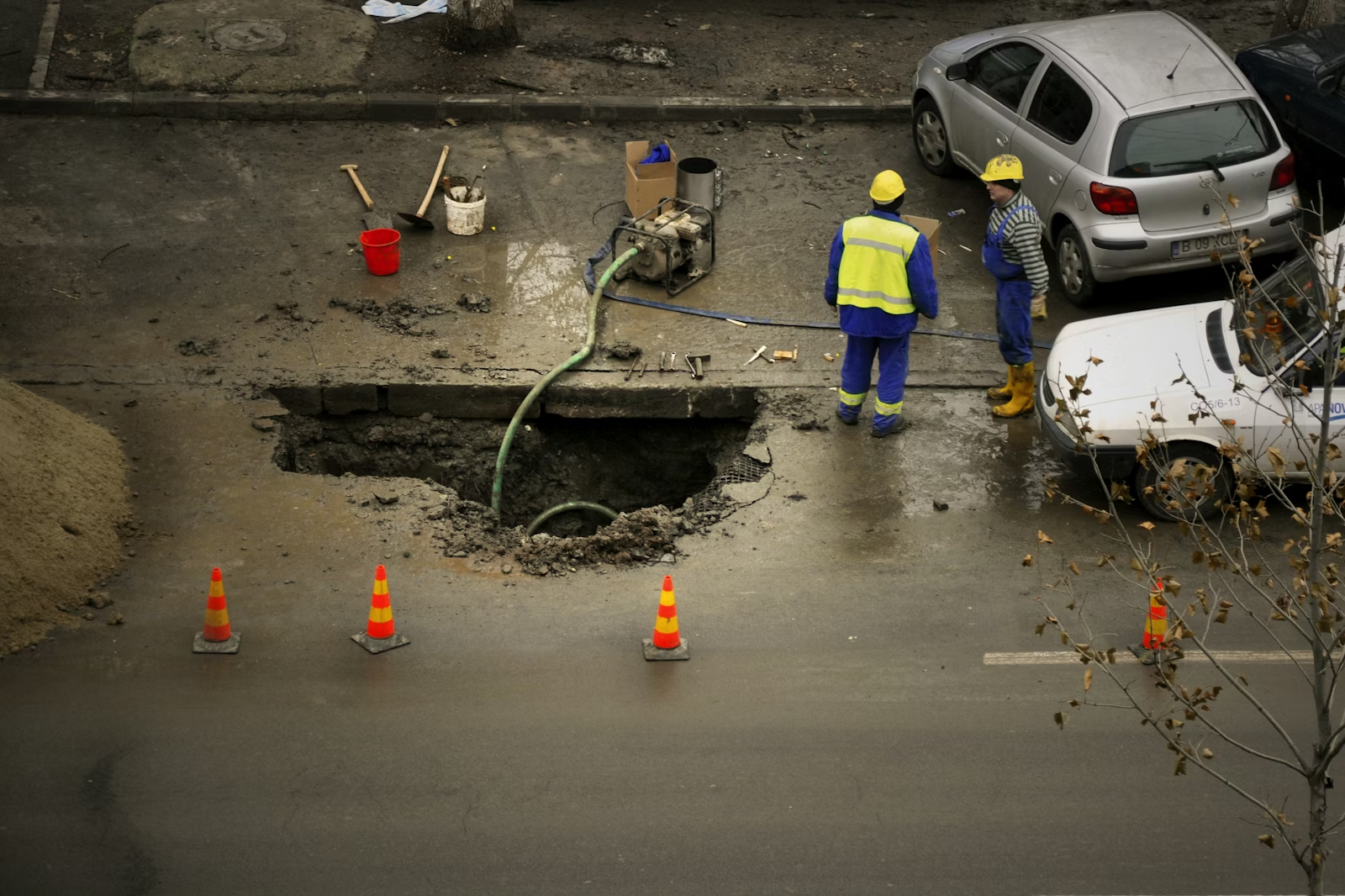
A burst pipe can release a large volume of water very quickly. Acting fast is essential to limit the damage.
- Turn off the stopcock immediately to cut the water supply
- Turn on all the cold taps in your home to drain the remaining water from the pipes as quickly as possible
- If the burst pipe is near a ceiling or has caused water to pool above a light fitting or electrical socket, turn off the electricity at the consumer unit — water and electricity are a dangerous combination
- Place towels, buckets, and bowls to catch dripping water and protect your floors and belongings
- Call a qualified plumber as soon as possible — explain the situation clearly so they can prioritise the call
- Contact your home insurer to report the damage and begin the claims process
Once the immediate emergency is under control, document the damage with photographs before any repairs begin — your insurer will need this evidence.
What to Do in a Power Cut
If your power goes out, the first step is to determine whether the problem is isolated to your home or affects the wider area. Check whether your neighbours have power, and look at your consumer unit to see if a breaker has tripped (see the section above).
If the outage affects your street or neighbourhood, it is a network fault. In the UK, you can report a power cut and get updates by calling 105 — this is the free national number for your local electricity network operator, available 24 hours a day.
While you wait for power to be restored:
- Use a torch rather than candles where possible, to reduce fire risk
- Keep a portable power bank charged so you can keep your mobile phone running
- Avoid opening the fridge and freezer unnecessarily to preserve food temperatures
- If you or someone in your household depends on electrically powered medical equipment, register with your network operator’s Priority Services Register in advance
Keep an Emergency Contact List
One of the simplest and most effective things you can do as a homeowner is to keep a written list of emergency contacts somewhere accessible — on the fridge, in a kitchen drawer, or saved in your phone. Your list should include:
- A trusted local plumber
- A qualified electrician
- A Gas Safe registered heating engineer
- Your home insurer’s claims line
- Your local council’s out-of-hours emergency line
- The National Gas Emergency Service: 0800 111 999
- The power cut helpline: 105
Having these numbers ready means you won’t be scrambling to search online during a stressful situation.
Home Emergency Insurance
Standard buildings and contents insurance covers damage to your home and possessions, but it doesn’t always cover the cost of calling out a tradesperson in an emergency. That’s where home emergency insurance comes in.
Home emergency cover typically includes:
- Boiler breakdown and loss of heating or hot water
- Burst or leaking pipes
- Electrical failure
- Blocked drains
- Pest infestations
- Roof damage causing immediate risk
Policies vary, so it’s worth reading the small print carefully. Some buildings insurance policies include a level of emergency cover as standard, while others offer it as an optional add-on. For many homeowners, the peace of mind — and the avoidance of large call-out fees — makes it well worth considering.
Being prepared for a home emergency doesn’t require specialist knowledge or expensive equipment. It simply means knowing where your stopcock and gas meter are, having a few key numbers saved, and understanding the basic steps to take when something goes wrong. A little preparation now can make an enormous difference when it matters most — protecting your home, your family, and your peace of mind.