Why Old Wiring Becomes Dangerous Over Time
Electrical wiring doesn’t last forever. In many UK homes — particularly those built before the 1970s — the original wiring may still be in place, quietly deteriorating behind walls and under floorboards. Over decades, insulation becomes brittle, connections loosen, and cables degrade to the point where they can no longer safely carry the electrical loads that modern households demand.
The average UK home today uses far more electrical appliances than it did 40 or 50 years ago. From electric showers and induction hobs to home offices full of computers and charging devices, the strain on ageing wiring can be enormous. When wiring can no longer cope, the risks include electric shocks, electrical fires, and damage to appliances — all of which can have devastating consequences.
Understanding the warning signs of failing wiring is one of the most important things a homeowner can do to protect their family and property.
Warning Signs Your Home May Need a Rewire
Not all electrical problems are immediately obvious, but there are several tell-tale signs that your wiring may be reaching the end of its safe working life.
Flickering or Dimming Lights
Occasional flickering can be caused by a loose bulb, but persistent flickering — especially across multiple rooms — often points to a deeper problem. Loose connections, overloaded circuits, or deteriorating wiring can all cause lights to flicker or dim unexpectedly. If the issue recurs after you’ve checked the bulbs, it’s time to call a qualified electrician.
Frequently Tripping Fuses or RCDs
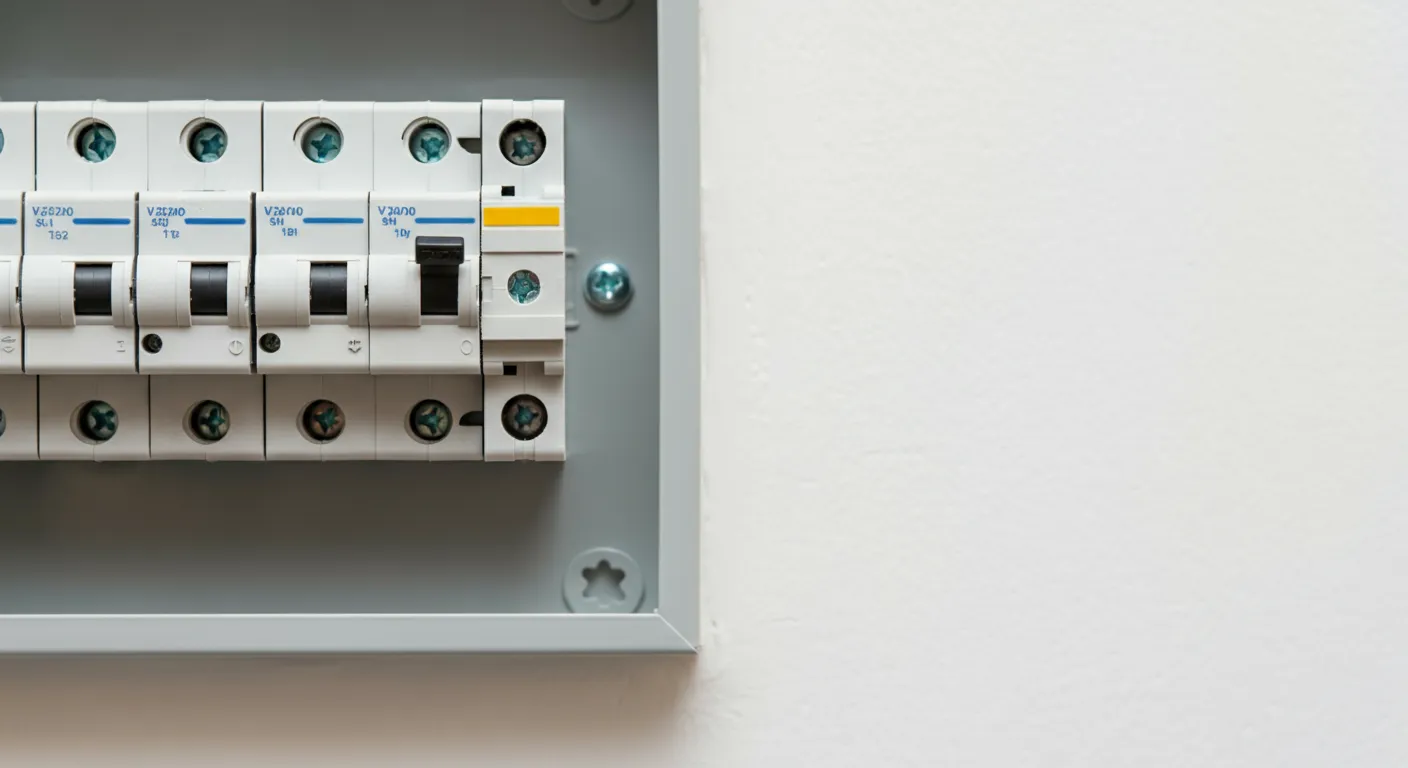
Your consumer unit (fuse box) is designed to trip when it detects a fault, protecting you from harm. If circuit breakers or RCDs (Residual Current Devices) are tripping regularly without an obvious cause, this is a strong indicator that something is wrong with your wiring. Don’t simply reset the breaker and ignore the problem — repeated tripping is your electrical system telling you it needs attention.
Burning Smells or Scorch Marks
A burning smell near sockets, switches, or your consumer unit is a serious warning sign that should never be ignored. It may indicate that wiring is overheating or that arcing is occurring within the circuit. Similarly, scorch marks or discolouration around sockets and switches suggest that heat is building up — a potential precursor to an electrical fire. If you notice either of these signs, switch off the affected circuit and contact a registered electrician immediately.
Discoloured or Warm Sockets and Switches
Sockets and switches should never feel warm to the touch during normal use. Warmth or discolouration indicates that excessive heat is being generated, which may be caused by loose connections, overloaded circuits, or faulty wiring. This is particularly common in older homes where sockets have not been updated to meet modern standards.
Old Rubber-Insulated or Fabric-Covered Cables
If you can see any wiring in your home — perhaps in the loft, under the floorboards, or in an outbuilding — take a close look at the insulation. Wiring installed before the 1960s often used rubber insulation, which becomes hard and crumbly with age. Even older installations may feature fabric-covered cables. Both types are well past their safe working life and should be replaced as a matter of urgency. The presence of these cable types is a near-certain sign that a full rewire is needed.
A Consumer Unit with Rewirable Fuses
If your home still has an old-style fuse box with rewirable fuses rather than modern circuit breakers and RCDs, this is a strong indication that the electrical installation is outdated. Modern consumer units offer far greater protection and are a legal requirement in many circumstances. Upgrading the consumer unit alone may not be sufficient if the underlying wiring is also ageing.
Part P Building Regulations: What UK Homeowners Need to Know
In England and Wales, electrical work in the home is governed by Part P of the Building Regulations, which came into force in 2005. Part P requires that certain types of electrical work — including a full rewire — are either carried out by a registered competent person or notified to your local authority building control department.
The simplest and most common way to comply with Part P is to hire an electrician who is registered with a government-approved scheme, such as NICEIC or NAPIT. Registered electricians are authorised to self-certify their work, meaning they can issue you with an Electrical Installation Certificate (EIC) without the need for a separate building control inspection.
If you use an unregistered electrician, the work must be notified to your local authority before it begins, and an inspection will be required. This adds cost and complexity, and — more importantly — it means there is no guarantee that the work meets the required standard until it has been inspected.
Failure to comply with Part P can have serious consequences. It may invalidate your home insurance, create problems when you come to sell your property, and — most critically — leave you with an electrical installation that is unsafe.
Always use a registered electrician for rewiring work. It is not just good practice — in most cases, it is a legal requirement.
What Does a Full Rewire Involve?
A full rewire is a significant undertaking, but it is a straightforward process for an experienced electrician. Understanding what to expect can help you plan accordingly and minimise disruption to your household.
The Process
The electrician will begin by isolating the existing electrical supply and removing the old wiring throughout the property. New cables will be run through the walls, floors, and ceilings to every socket, switch, light fitting, and fixed appliance. A new consumer unit will typically be installed at the same time, along with updated sockets and switches throughout.
In most cases, some degree of redecoration will be required after the work is complete, as cables are usually chased into plaster or run beneath floorboards. A good electrician will make every effort to minimise damage, but some disruption is unavoidable.
Timescales
The time required for a rewire depends on the size of the property. As a rough guide:
- A one- or two-bedroom flat: 2–4 days
- A three-bedroom house: 5–7 days
- A larger four- or five-bedroom property: up to 10 days or more
In most cases, you will need to vacate the property during the rewire, as the power will be off for extended periods and the work can be quite disruptive.
What You’ll Receive on Completion
Once the work is finished, your electrician should provide you with an Electrical Installation Certificate (EIC), which confirms that the installation has been tested and complies with BS 7671 (the IET Wiring Regulations). Keep this document safe — you will need it if you sell your home.
Typical Rewiring Costs in the UK
The cost of a full rewire varies depending on the size of the property, its location, and the complexity of the work involved. The following figures are realistic estimates for 2024, though you should always obtain at least three quotes before proceeding.
- One-bedroom flat: £1,500–£3,000
- Two-bedroom house: £2,500–£4,000
- Three-bedroom house: £3,500–£5,500
- Four-bedroom house: £5,000–£8,000
- Five-bedroom house: £7,000–£12,000+
These figures typically include labour, materials, and the cost of the Electrical Installation Certificate. They do not include redecoration costs, which can add a further £500–£2,000 or more depending on the extent of the work.
Whilst a rewire represents a significant investment, it is important to weigh this against the cost of an electrical fire or the expense of remedial work further down the line. Many homeowners also find that a rewire adds value to their property and makes it easier to sell.
How to Find a Qualified Electrician
Choosing the right electrician is crucial. Here’s what to look for when selecting someone to carry out rewiring work on your home.
Check for NICEIC or NAPIT Registration
The two main government-approved competent person schemes for electrical work in England and Wales are NICEIC (National Inspection Council for Electrical Installation Contracting) and NAPIT (National Association of Professional Inspectors and Testers). Both organisations maintain online registers where you can verify that an electrician is currently registered.
In Scotland, the equivalent scheme is run by SELECT (the Electrical Contractors’ Association of Scotland). In Northern Ireland, electrical work is regulated separately under the Building Regulations (Northern Ireland).
What to Check Before Hiring
- Verify registration on the NICEIC or NAPIT website using the electrician’s name or company details
- Ask to see their identification and registration card when they visit
- Request a detailed written quote that breaks down labour and materials
- Ask for references from previous rewiring jobs
- Confirm that they will provide an Electrical Installation Certificate on completion
- Check that they carry adequate public liability insurance
Get Multiple Quotes
Prices can vary significantly between electricians, so it is always worth obtaining at least three quotes. Be wary of quotes that are significantly lower than the others — this may indicate that corners are being cut on materials or that the electrician is not properly registered.
Conclusion: Don’t Ignore the Warning Signs
Old or failing wiring is one of the most serious — and most overlooked — hazards in UK homes. Electrical fires cause hundreds of deaths and thousands of injuries every year, and many of these tragedies are preventable with timely action.
If your home is more than 25–30 years old and has never been rewired, or if you have noticed any of the warning signs described in this article, it is strongly advisable to arrange an Electrical Installation Condition Report (EICR) from a registered electrician. This inspection will assess the condition of your wiring and identify any work that needs to be carried out.
Don’t wait for a problem to become an emergency. Acting now could save your home — and your family’s lives.