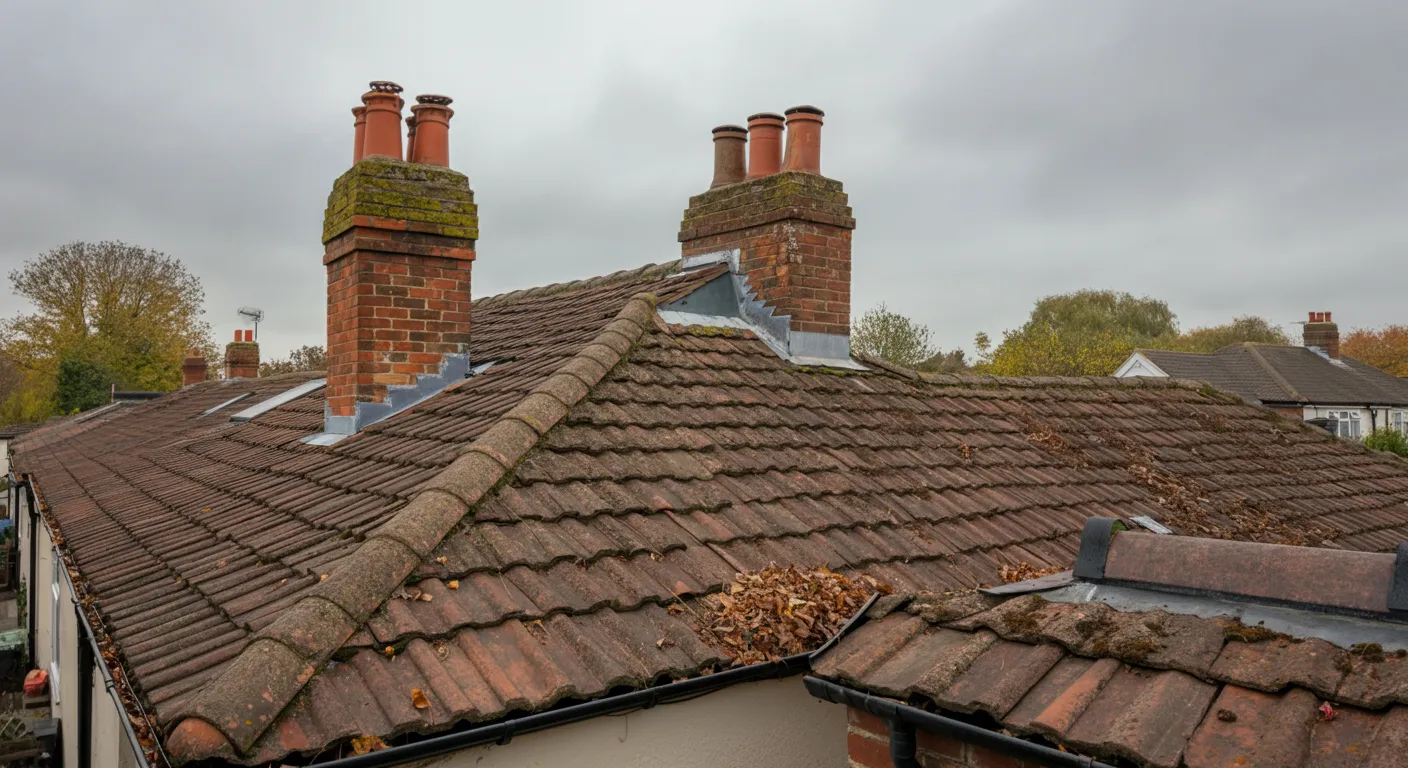
Your roof is one of the most critical components of your home — it protects everything beneath it from the elements. When something goes wrong, or when it’s time for repairs or a full replacement, choosing the right roofer is one of the most important decisions you’ll make as a homeowner. Unfortunately, the roofing industry has more than its fair share of cowboy builders: traders who take your money, do shoddy work, and disappear before the problems surface. The good news? With a little due diligence, you can hire with confidence and protect both your home and your wallet.
Check for Accreditations
The single most reliable way to separate professional roofers from rogue traders is to check for recognised industry accreditations. Here’s what to look for:
NFRC (National Federation of Roofing Contractors) — The UK’s largest roofing trade body. NFRC members must meet strict standards of workmanship, hold appropriate insurance, and comply with a code of conduct. You can verify membership directly on the NFRC website.
TrustMark — A government-endorsed quality scheme covering tradespeople across all sectors. TrustMark-registered roofers have been vetted for technical competence, trading practices, and customer service. Look for the TrustMark logo and verify at trustmark.org.uk.
Which? Trusted Traders — Which? independently assesses traders through a rigorous endorsement process, including customer reviews and a business assessment. It’s a strong indicator of reliability and professionalism.
Always verify membership directly on the relevant organisation’s website — don’t simply take a trader’s word for it or rely on a logo on a van.
Get Multiple Quotes
Never accept the first quote you receive. Getting at least three quotes from different roofers is best practice and gives you a realistic picture of what the work should cost.
When comparing quotes, make sure you’re comparing like for like. Each quote should specify the same scope of work, the same materials, and the same standards. A quote that seems significantly cheaper may be cutting corners on materials, skipping essential preparation work, or planning to use unqualified labour.
Avoid the temptation to automatically go with the cheapest option. The lowest price often reflects the lowest quality — and a botched roofing job can cost far more to fix than it would have to do it right the first time. Instead, look for the best value: a fair price from a credible, accredited contractor.
What a Good Quote Should Include
A professional roofer will always provide a written, itemised quote. Be wary of anyone who gives you a verbal price and nothing more. A proper quote should include:
- A written document — dated, signed, and clearly addressed to you
- Itemised materials — specifying the type, brand, and quantity of materials to be used
- Labour costs — broken down separately from materials
- A clear timeline — start date, estimated duration, and completion date
- Payment schedule — staged payments tied to milestones, not large upfront sums
- Company details — full business name, address, and contact information
- VAT registration number — if the contractor is VAT-registered
If a quote is vague, rushed, or missing key details, treat it as a red flag.
Red Flags to Watch Out For
Knowing what to avoid is just as important as knowing what to look for. Be on your guard if a roofer:
- Asks for cash only — this often means they’re avoiding tax and won’t provide a paper trail if things go wrong
- Won’t provide a written quote — no written quote means no accountability
- Uses high-pressure tactics — phrases like “I can only do this price today” are designed to rush you into a decision
- Knocks on your door unsolicited — legitimate roofers rarely cold-call; those who do often prey on vulnerable homeowners
- Offers a suspiciously low price — if it sounds too good to be true, it almost certainly is
- Asks for a large deposit upfront — a reasonable deposit is normal, but paying more than 25–30% before work begins is risky
- Can’t provide references or reviews — any reputable roofer will have a track record you can check
Trust your instincts. If something feels off, walk away.
Check Insurance and Guarantees
Before any work begins, ask to see proof of the following:
Public liability insurance — This covers damage to your property or injury to third parties caused by the roofer’s work. Without it, you could be liable for accidents that occur on your property.
Employer’s liability insurance — Required by law if the roofer employs staff. It covers workers in the event of injury or illness caused by their work.
Workmanship guarantee — A reputable roofer will stand behind their work with a written guarantee, typically covering a minimum of 10 years for major works.
Manufacturer warranties — Quality roofing materials often come with manufacturer warranties. Make sure these are passed on to you in writing.
Always ask for copies of insurance certificates and guarantees before signing any contract. A professional contractor will have no hesitation in providing them.
Questions to Ask Before Hiring
Before you commit to a roofer, ask these questions directly — and pay attention to how they respond:
- Are you a member of the NFRC or another recognised trade body?
- Can I see proof of your public liability and employer’s liability insurance?
- Do you provide a written, itemised quote?
- Do you offer a written workmanship guarantee, and for how long?
- Can you provide references from recent, similar jobs in my area?
- Who will actually carry out the work — your own employees or subcontractors?
- What materials do you plan to use, and are they covered by a manufacturer warranty?
- What is your payment schedule, and do you accept card or bank transfer?
A trustworthy roofer will answer these questions openly and without hesitation. Evasive or dismissive responses are a warning sign.
Choosing the right roofer takes a little time and effort — but it’s time well spent. Homeowners who do their homework are far less likely to fall victim to poor workmanship, inflated prices, or outright fraud. By checking accreditations, getting multiple quotes, asking the right questions, and insisting on proper documentation, you put yourself firmly in control. Your roof protects your home; the right roofer protects your investment.