A weak shower is frustrating, especially when the rest of the bathroom seems fine. Low water pressure in your shower can come from something simple, such as a clogged shower head, or from a bigger issue with your hot water system, internal pipework, mains supply or a hidden leak.
The fastest way to narrow it down is not to start buying a new shower or pump. First, work out where the pressure problem appears, when it started and whether it affects hot water, cold water or the whole house. That pattern usually tells you what to check next.
First, identify the pressure pattern
When homeowners ask why is my water pressure low, they often mean the shower has poor flow. Pressure is the force pushing water through the pipework, while flow is the amount of water that comes out. A blocked shower head can reduce flow even if the incoming pressure is normal.
Start by comparing the shower with nearby outlets. Turn on the basin cold tap, basin hot tap, bath tap if you have one and kitchen tap. Check them one at a time, not all together. If possible, test at a time when nobody else in the home is using water.
| What you notice | Most likely area to investigate first | What to check next |
|---|---|---|
| Only one shower is weak | Shower head, hose, cartridge or local valve | Remove the shower head and test flow from the hose |
| All hot outlets are weak | Boiler, cylinder, hot pipework or mixing valve | Compare hot flow at the bathroom and kitchen taps |
| Hot and cold are weak across the whole home | Stopcock, mains supply, pressure reducing valve or leak | Check the stopcock, water meter and neighbours |
| Pressure dropped suddenly | Mains works, a valve moved, burst pipe or new leak | Look for supplier alerts and signs of damp or running water |
| Pressure has worsened over months | Limescale, clogged filters, ageing pipework or valve restriction | Descale fittings and arrange investigation if it continues |
This simple comparison stops guesswork. A shower-only problem is usually local to the shower. A whole-house problem needs wider plumbing checks.
Quick checks to do before calling a plumber
These checks are safe for most UK homeowners, provided you do not dismantle sealed boiler components, electrical shower parts or pressurised cylinder valves. If a valve is stiff, leaking or hard to identify, do not force it.
Check whether the issue is local or wider
Run the cold tap nearest the mains entry point, often the kitchen tap. If that flow is strong but the shower is weak, the incoming supply is probably not the main issue. If the kitchen cold tap is also poor, the problem may be at the stopcock, water meter, external supply pipe or mains network.
If you live in a flat, also consider shared risers, communal tanks and building management systems. A single flat may have local isolation valves, while several flats with the same issue may point to a communal supply problem.
Make sure valves are fully open
A partly closed stopcock can make a shower feel weak. Find your internal stopcock, usually under the kitchen sink, in a hallway cupboard, under the stairs or near where the mains pipe enters the property. Turn it gently clockwise to close, then anticlockwise to open. Once fully open, turn it back slightly so it does not seize.
Some showers also have local isolation valves hidden behind an access panel, under a bath, in an airing cupboard or near the shower pump. If one has been partly closed during recent work, hot or cold flow may be reduced.
Remove and test the shower head
Shower heads collect limescale, rust particles and debris from pipework. Unscrew the head from the hose and run the shower briefly into the tray or bath. If the flow improves dramatically, the head is blocked or the hose is kinked.
Soak a removable shower head in white vinegar or a suitable descaler, then rinse it thoroughly. Check the rubber nozzles, small filter washer and hose connection. Replace the hose if it is crushed, twisted or internally collapsed.
Compare hot and cold performance
If cold water is strong but hot water is weak, the cause is usually on the hot side. In a combi boiler home, the boiler heats mains water as it passes through. Flow can drop if filters, valves or heat exchanger components are restricted, but boiler casing and gas-related work should only be handled by a Gas Safe registered engineer.
If you have an unvented cylinder, do not adjust pressure reducing valves, expansion controls or safety devices yourself. If you have a gravity-fed system with a cold water tank, low head height, airlocks, clogged tank outlets or pump faults may be involved.
Do not confuse boiler pressure with shower pressure
The pressure gauge on many boilers usually relates to the sealed central heating circuit, not the mains water pressure feeding your taps and shower. Low boiler pressure can stop heating from working properly and may cause boiler faults, but topping up the heating circuit is not a guaranteed fix for poor shower flow. Follow the manufacturer instructions, and if in doubt, get a qualified engineer to check it.
Common causes of low water pressure in a shower
Once you know the pattern, the cause is usually one of the following.
Blocked shower head or hose
This is the most common shower-only issue and one of the easiest to check. Hard water areas are especially prone to limescale build-up. A blocked head can make the spray uneven, sharp, weak or patchy.
If cleaning the head restores pressure, the rest of the plumbing may be fine. If flow from the hose is also poor, move on to valves, filters and the shower mixer.
Faulty shower mixer or thermostatic cartridge
A thermostatic mixer blends hot and cold water to maintain a safe temperature. Inside the valve, filters, non-return valves and cartridges can become clogged or worn. Symptoms often include weak flow, fluctuating temperature or the shower going cold when another tap is used.
Cartridge replacement is not always difficult, but access, water isolation and part compatibility can be awkward. If the shower is concealed in a wall, professional diagnosis can prevent damage to tiles and pipework.
Combi boiler flow limitations
Combi boilers can only heat a certain amount of hot water at once. If someone turns on a kitchen tap while you shower, the shower may weaken or cool down. This is more noticeable in larger households, properties with older combis or bathrooms far from the boiler.
A sudden change in hot shower flow may point to a boiler filter, internal restriction or hot water control issue. Do not remove the boiler cover yourself.
Gravity-fed system or shower pump problems
Older homes may use a cold water storage tank in the loft and a hot water cylinder. Gravity-fed pressure depends partly on the height difference between the tank and the shower outlet. A loft tank only slightly above a shower head may not provide strong pressure, especially in loft conversions.
A shower pump can improve performance where it has been installed correctly, but pumps can fail, airlock, clog or become noisy. If the pump runs but flow remains poor, it may need cleaning, servicing or replacement.
Hidden leak in the pipework
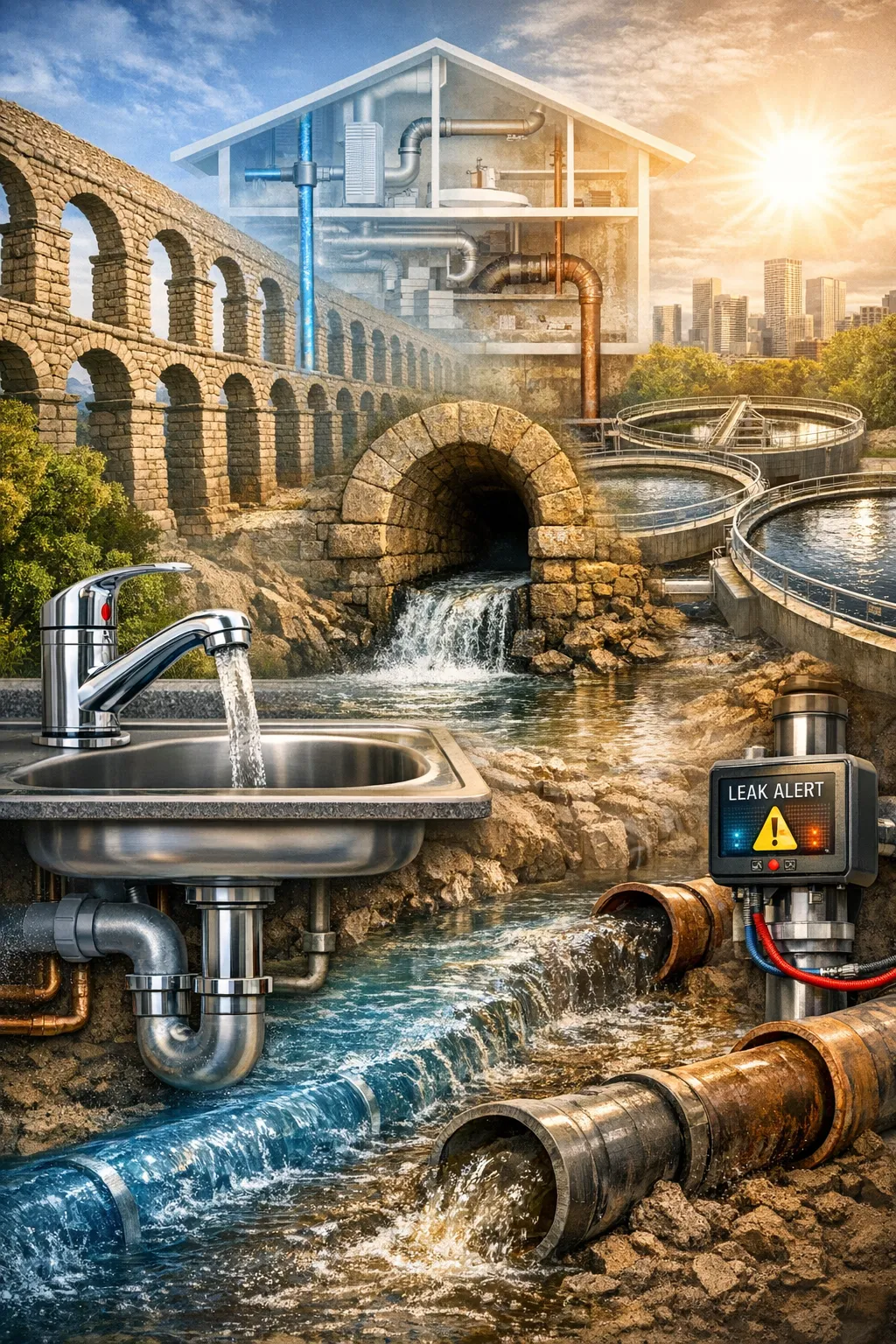
A leak can reduce pressure, particularly if it is on the main incoming pipe, under floors, behind walls or in a buried external supply. A leak does not always create an obvious puddle. It may show as damp patches, mould, warm flooring, a hissing sound, a spinning water meter or an unexplained rise in bills.
TradesLocal has a separate guide to the signs of a hidden water leak at home if you want to compare symptoms before you investigate further.
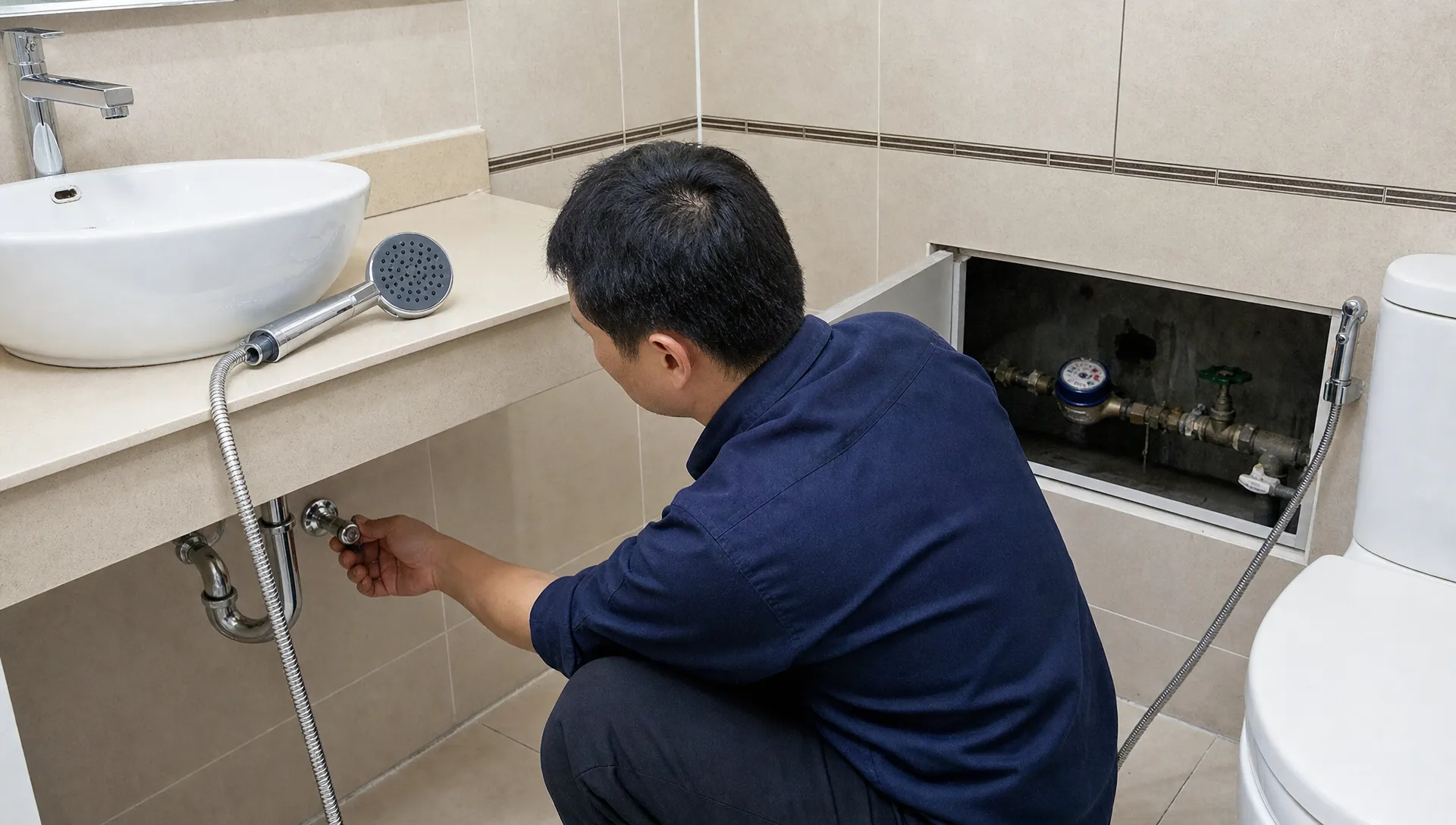
How to find a water leak when shower pressure drops
If shower pressure has dropped suddenly and other outlets are also weaker than normal, it is worth checking for a leak before assuming the shower itself has failed.
Start with visible clues. Look under sinks, behind toilets, around the shower tray, near the bath panel, in the airing cupboard and around the boiler or cylinder. Check ceilings below bathrooms, skirting boards, laminate flooring and cupboards backing onto bathroom walls. A musty smell or new mould patch can be just as useful as visible water.
If you have a water meter, you can carry out a simple leak check. Turn off all taps, make sure appliances are not running and wait for toilets to finish refilling. Note the meter reading or take a photo. Leave the water unused for 30 to 60 minutes, then check again. If the meter has moved, water is passing somewhere.
A meter movement does not prove where the leak is. It only tells you that water may be escaping or being used by something you have not noticed. Toilets with faulty fill valves, outside taps and water softeners can all confuse the result. If you suspect an active leak, turn off the internal stopcock if it is safe to do so and arrange urgent help.
For homes without a meter, listen for hissing near the stopcock, check whether the boiler or pump runs unexpectedly and look for persistent damp along pipe routes. In flats, contact the building manager if the leak may involve communal pipework or another property.
When the mains supply could be the cause
If your kitchen cold tap and shower are both weak, ask whether nearby homes have the same issue. A neighbour with normal pressure suggests the problem may be within your property or private supply pipe. Several neighbours with weak pressure suggests water company works, a burst main or local network demand.
Check your water company website for planned works or emergency incidents. In England and Wales, water companies are covered by Guaranteed Standards for supply pressure, and Ofwat explains how the scheme works. These standards relate to the company supply and do not mean every shower in every property will perform strongly, especially where internal plumbing is restricted.
If the supplier confirms normal pressure at the boundary but your home still has poor flow, the fault is likely to be on your side of the supply. That may include the internal stopcock, private supply pipe, pressure reducing valve, filters or internal distribution pipework.
Shower type makes a difference
The right fix depends heavily on the shower type. A gravity-fed shower, electric shower and combi-fed mixer can all feel weak for different reasons.
| Shower type | Common pressure issue | First homeowner check | When to get help |
|---|---|---|---|
| Mixer shower on combi boiler | Weak hot flow, fluctuating temperature or limited flow when other taps run | Compare hot flow at kitchen and bathroom taps | If hot water is weak throughout or boiler faults appear |
| Electric shower | Blocked shower head, kinked hose or internal inlet restriction | Clean the head and check the hose | If the casing needs opening or electrics are involved |
| Gravity-fed mixer | Low tank height, airlock or poor hot and cold balance | Check whether other gravity-fed outlets are weak | If a pump, tank or pipework change is needed |
| Power shower | Pump fault, blocked filters or air in the system | Listen for unusual pump noise and check basic isolation valves | If the pump runs dry, leaks or trips electrics |
| Unvented cylinder shower | Restricted valves, strainers or pressure controls | Check whether all hot outlets are affected | If cylinder controls need inspection or adjustment |
Avoid adding a pump without checking the system design. UK water regulations restrict how mains boosting can be done, and some installations need an approved break tank or different setup. An incorrectly fitted pump can damage equipment, create noise and cause problems elsewhere in the plumbing system.
If you have recently moved home
Shower pressure is worth checking during property viewings and soon after moving in. Run hot and cold outlets, ask how the hot water is supplied and find out where the stopcock is before an emergency happens. This applies whether you are looking at a flat, a family house or a residential park home bungalow in Warfield, because plumbing layout, water heating and supply arrangements can vary from property to property.
If the shower pressure seemed fine on moving day but declined after decorating, bathroom work or appliance installation, ask whether any isolation valves were touched. Washing machine valves, basin valves and shower isolators can be knocked or partly closed during other jobs.
What not to do
Some shower pressure fixes are simple, but others can become expensive if handled badly. Do not remove the cover from an electric shower unless you are competent and the unit is safely isolated. Do not alter gas boiler internals, unvented cylinder safety controls or sealed pressure valves. Do not keep tightening old stopcocks if they start weeping.
Chemical descalers can help with shower heads, but they should not be poured into pipework or shower valves unless the manufacturer allows it. Strong chemicals can damage seals, finishes and plastic components.
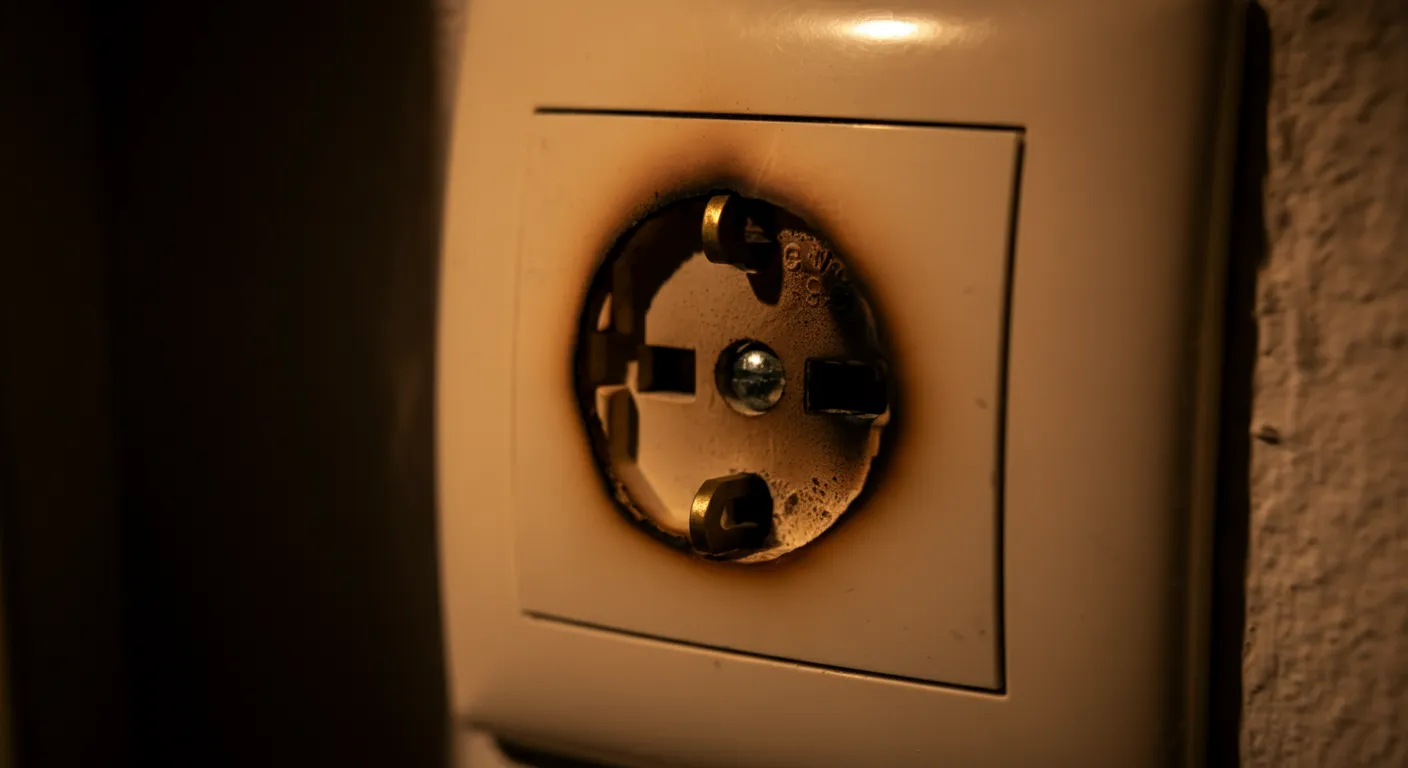
If you find damp near electrics, switch off the affected circuit only if it is safe and call for urgent help. Water and electricity should always be treated as a serious risk.
When to call a plumber
Call a professional if low pressure affects the whole home, the drop was sudden, you suspect a leak, the shower valve is concealed, hot water is weak across several outlets or you cannot identify the system safely. You should also get help if the issue keeps returning after cleaning the shower head.
For persistent shower pressure problems, TradesLocal can help with water pressure troubleshooting across plumbing systems, including urgent domestic issues where a fast response is needed. A proper diagnosis may involve flow testing, valve checks, leak investigation and inspection of the shower, pipework and hot water system.
Frequently Asked Questions
Why is my shower pressure low but the taps are fine? If only the shower is weak, the most likely causes are a blocked shower head, kinked hose, partially closed local valve or faulty shower cartridge. Remove the shower head and test flow from the hose first.
Can a hidden leak cause low water pressure in the shower? Yes. A leak on the incoming main, hot pipework or bathroom pipework can reduce pressure or flow. Look for damp, mould, meter movement, hissing sounds and unexplained increases in water bills.
Does low boiler pressure cause low shower pressure? Not usually in the way many people think. The boiler pressure gauge normally relates to the central heating circuit, not the mains water feeding your shower. However, boiler faults can affect hot water performance, so weak hot flow across the home should be checked professionally.
Should I install a shower pump to fix weak pressure? Only after confirming your system is suitable. Pumps are common on some gravity-fed systems, but they are not a universal fix and should not be connected incorrectly to mains supplies.
Who is responsible if the mains water pressure is low? Your water company is usually responsible for the supply up to the boundary or communication pipe, while homeowners are commonly responsible for internal plumbing and private supply pipework. If neighbours are affected too, contact your water supplier first.
Need your shower pressure checked?
If the quick checks do not solve it, do not keep guessing. TradesLocal provides UK-wide plumbing support for water pressure issues, leaks, urgent repairs and domestic installations. Request a callback and a qualified specialist can help identify whether the fault is with the shower, pipework, hot water system or supply.