Why Adding Value to Your Home Matters
Whether you’re planning to sell in the next year or simply want to make the most of your biggest asset, investing wisely in your home can deliver impressive returns. The UK property market rewards well-maintained, thoughtfully improved homes — but not all upgrades are created equal. Some add tens of thousands to your asking price; others barely move the needle.
In this guide, we walk through 10 proven improvements that UK homeowners can make to genuinely boost their property’s value. For each one, we’ve included approximate return on investment (ROI) figures so you can prioritise where your money will work hardest.
1. Loft Conversion
A loft conversion is consistently ranked as one of the highest-value improvements you can make to a UK home. By transforming unused roof space into a functional bedroom, home office, or bathroom, you can add up to 20% to your property’s value — often recouping the cost of the work and then some.
The most common types include dormer conversions (which extend outward from the roof slope), Velux conversions (the most affordable option, using roof windows without altering the roofline), and hip-to-gable conversions (ideal for semi-detached or detached homes with a hipped roof). Costs typically range from £20,000 to £60,000 depending on the type and specification.
Many loft conversions fall under permitted development rights, meaning you won’t need full planning permission — but always check with your local authority before starting work. Adding a bedroom, particularly an en-suite, can push your home into a higher price bracket entirely.
2. Kitchen Renovation
The kitchen is the heart of the home, and buyers know it. A tired, dated kitchen can put people off at viewings, while a well-designed, modern space can seal the deal. You don’t necessarily need a full gut-and-replace — sometimes new worktops, updated cabinet doors, and integrated appliances make a transformative difference.
Focus on layout and flow: an open-plan kitchen-diner is highly desirable in the current market. Quality finishes matter more than luxury brands. A well-executed kitchen renovation typically delivers an ROI of 5–10%, and in some markets considerably more if the existing kitchen is particularly poor.
3. Bathroom Upgrade
After the kitchen, the bathroom is the room buyers scrutinise most closely. Cracked tiles, dripping taps, and avocado suites are immediate red flags. Modernising your bathroom with clean lines, quality fittings, and good tiling can add real appeal without breaking the bank.
If your home has only one bathroom, adding an en-suite to the master bedroom is one of the smartest investments you can make. Even a compact shower room can significantly increase buyer interest. Bathroom upgrades typically return 3–5% on investment, with en-suite additions at the higher end of that range.
4. Kerb Appeal Improvements
First impressions are formed before a buyer even steps through the front door. The exterior of your home sets the tone for everything that follows — and neglecting it can undermine even the most beautifully renovated interior.
Simple improvements make a big difference: repainting or replacing the front door, power-washing the driveway, adding window boxes, and tidying up the garden can collectively add up to 10% to your home’s value. A block-paved or resin-bound driveway also adds practical appeal, particularly in areas where off-street parking is at a premium. These are often among the most cost-effective improvements you can make.
5. Energy Efficiency Upgrades
With energy bills remaining a major concern for UK households, buyers are increasingly focused on a property’s Energy Performance Certificate (EPC) rating. Homes with higher EPC ratings command higher prices and sell faster — and the gap is widening.
Key upgrades include loft and cavity wall insulation, double or triple glazing, and heat pump installation. The government’s ECO4 scheme may help eligible homeowners fund some of these improvements. Beyond the uplift in property value, you’ll benefit from lower energy bills in the meantime — making this a genuinely win-win investment. Moving from an EPC rating of D to B or C can add several percentage points to your home’s value in many parts of the UK.
6. Adding a Home Office
The pandemic permanently shifted how many of us work, and demand for dedicated home office space has remained strong. A well-presented home office — whether it’s a converted spare bedroom or a purpose-built garden room — is now a genuine selling point rather than a nice-to-have.
A garden office or studio can cost anywhere from £10,000 to £30,000 but adds both lifestyle appeal and measurable value. Converting an existing room costs considerably less. ROI for home office additions typically sits at 5–10%, with garden rooms at the higher end due to their versatility and visual impact.
7. Decluttering and Neutral Décor
This is the improvement that costs the least and can deliver disproportionately high returns. Buyers need to be able to picture themselves living in your home — and that’s almost impossible when it’s cluttered, personalised, or painted in bold, divisive colours.
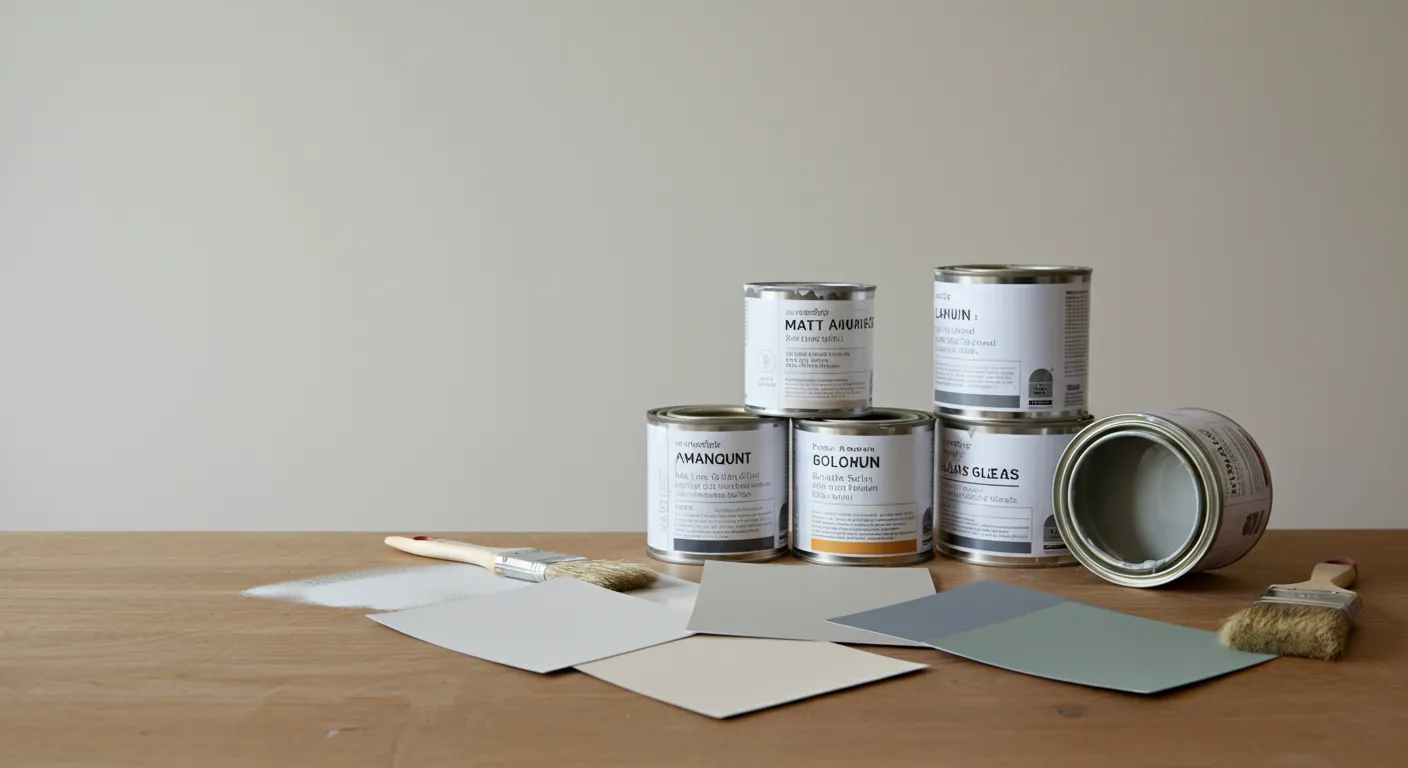
A thorough declutter, a few tins of neutral paint (think warm whites, soft greys, and muted taupes), and some thoughtful staging can transform how a property photographs and presents at viewings. Estate agents consistently report that well-staged homes sell faster and for more money. The ROI here is hard to quantify precisely, but the cost-to-impact ratio is arguably the best of any improvement on this list.
What NOT to Do
Knowing what to avoid is just as important as knowing where to invest. Some improvements can actually reduce your home’s value or make it harder to sell.
- Over-improving for the area: Every street has a ceiling price. Spending £80,000 on a renovation in an area where the top end of the market is £200,000 is unlikely to pay off.
- Removing bedrooms: Converting two bedrooms into one large room might suit your lifestyle, but it reduces the property’s bedroom count — a key metric for buyers and valuers alike.
- Highly personalised décor: A bespoke mural, a themed room, or an unusual colour scheme may delight you but alienate buyers.
- Swimming pools: In the UK climate, a pool is more liability than luxury. Maintenance costs are high, and many buyers see them as a problem to solve rather than a feature to enjoy.
Conclusion: Invest Wisely, Sell Confidently
Adding value to your home isn’t about spending the most money — it’s about spending it in the right places. The improvements that deliver the best returns are those that meet buyer expectations, improve liveability, and present the property in its best possible light.
Before committing to any major works, it’s worth speaking to a local estate agent. They’ll have an up-to-date view of what buyers in your area are looking for and can help you avoid costly mistakes. With the right strategy, your home improvements can pay for themselves many times over.