A hidden water leak is one of the most damaging problems a homeowner can face. Unlike a dripping tap or a burst pipe, hidden leaks occur behind walls, beneath floors, or underground — often going undetected for weeks or even months. By the time you notice the damage, the repair bill can be significant. Knowing the warning signs early could save you thousands of pounds and protect your home from serious structural harm.
Warning Signs of a Hidden Water Leak
1. An Unexplained Rise in Your Water Bill
If your water bill has crept up noticeably without any change in your household usage, a hidden leak is one of the most likely culprits. Even a small, slow leak can waste hundreds of litres of water per day. Compare your bills month-on-month and, if you spot a consistent upward trend, it’s worth investigating further.
2. Damp Patches on Walls, Ceilings, or Floors
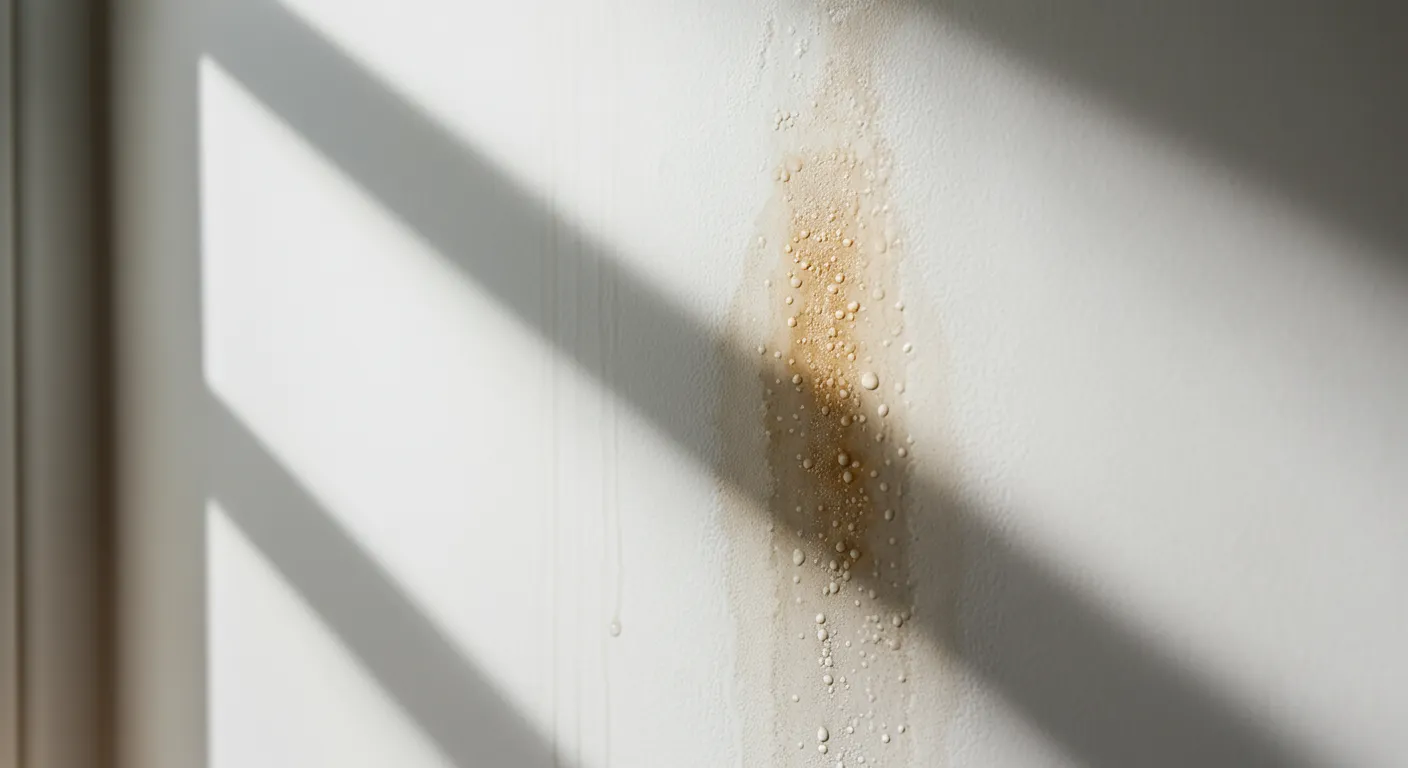
Unexplained damp patches or discolouration on walls, ceilings, or floors are a classic indicator of a hidden leak. You might notice paint bubbling, wallpaper peeling, or a soft, spongy feel underfoot. These patches may appear even when there has been no recent rainfall, which rules out condensation or external damp as the cause.
3. Mould or Mildew Growth
Mould thrives in damp, poorly ventilated environments. If you’re finding mould in areas that aren’t typically humid — such as on a bedroom wall or inside a cupboard — a hidden leak may be creating the moisture it needs to grow. Beyond being unsightly, mould poses real health risks, particularly for those with respiratory conditions or allergies.
4. Low Water Pressure
A sudden or gradual drop in water pressure throughout your home — particularly when no other taps or appliances are running — can suggest that water is escaping somewhere in the system. If the pressure drop affects multiple outlets, the leak is likely on the main supply pipe rather than a branch line.
5. The Sound of Running Water
Can you hear the sound of trickling or running water when all taps and appliances are switched off? This is a strong sign that water is moving through your pipes when it shouldn’t be. Try turning off all water-using appliances and listening carefully near walls, floors, and under sinks. A persistent hissing or dripping sound warrants immediate attention.
How to Check for a Leak Yourself
Before calling a plumber, there are a few simple checks you can carry out at home to confirm whether a leak is present:
- Meter test: Turn off all water in your home and note the reading on your water meter. Wait 30 minutes without using any water, then check the meter again. If the reading has changed, water is escaping somewhere.
- Toilet dye test: Add a few drops of food colouring to your toilet cistern. Without flushing, wait 15 minutes. If colour appears in the bowl, the cistern flap valve is leaking.
- Visual inspection: Check under sinks, around the base of toilets, behind washing machines, and along visible pipework for signs of moisture, rust staining, or mineral deposits.
- Check your stopcock: Ensure your internal stopcock (usually located under the kitchen sink or where the supply pipe enters your home) is fully operational. In an emergency, you will need to shut off the water supply quickly. Under the Water Supply (Water Fittings) Regulations 1999, all properties must have an accessible stopcock on the supply pipe.
These checks can help you identify obvious leaks, but many hidden leaks require specialist equipment to locate accurately.
The Risks of Ignoring a Hidden Leak
Leaving a hidden leak unaddressed is never a good idea. The longer it goes undetected, the more damage it causes — and the more expensive it becomes to put right. Here’s what’s at stake:
- Structural damage: Persistent moisture weakens timber joists, plasterboard, and masonry. Over time, this can compromise the structural integrity of your home.
- Mould and health hazards: Damp conditions encourage mould growth, which can trigger asthma, allergies, and other respiratory problems.
- Increased water bills: Every day the leak continues, you’re paying for water that never reaches a tap.
- Insurance complications: Many home insurance policies require you to take reasonable steps to prevent damage. Ignoring a known leak could affect your ability to make a claim.
- Subsidence risk: Underground leaks near your foundations can saturate the soil, potentially leading to ground movement and subsidence — one of the most costly problems a homeowner can face.
How a Plumber Detects and Fixes Hidden Leaks
A qualified plumber has access to specialist tools and techniques that allow them to pinpoint hidden leaks without unnecessary disruption to your home. Look for a plumber registered with WaterSafe or a member of the Chartered Institute of Plumbing and Heating Engineering (CIPHE) to ensure the work meets UK standards. Common methods include:
- Acoustic leak detection: Using sensitive listening equipment, plumbers can hear the sound of water escaping through pipes buried in walls or under floors — even at very low flow rates.
- Thermal imaging: Infrared cameras detect temperature differences caused by moisture behind walls and ceilings, allowing the plumber to identify the leak’s location without opening up large sections of plasterwork.
- Pressure testing: The plumber isolates sections of pipework and applies pressure to identify where the system is losing integrity.
- CCTV drain surveys: For suspected underground or drainage leaks, a small camera is fed through the pipework to visually inspect the interior for cracks, joint failures, or blockages.
Once the leak is located, the repair approach will depend on its position and severity. Minor pipe leaks may be fixed with a simple patch or joint repair, while more serious issues — such as a corroded section of pipework — may require a partial or full pipe replacement. In most cases, a skilled plumber can carry out the repair with minimal disruption to your home.
Act Quickly — Don’t Let a Small Leak Become a Big Problem
If you’ve spotted any of the warning signs above, don’t wait. The sooner a hidden leak is identified and repaired, the less damage it will cause and the lower your repair costs will be. A local, qualified plumber — ideally registered with WaterSafe or a member of CIPHE — can carry out a thorough leak detection survey and advise you on the best course of action. If significant remedial work is required, such as excavation or structural repairs, check with your local council or building control to confirm whether any permissions or notifications are needed.