Low water pressure is one of the most common plumbing complaints in UK homes. Whether your shower trickles when it should flow or your kitchen tap takes an age to fill a pot, poor pressure is more than just an inconvenience — it can signal an underlying issue that needs attention. This guide walks you through the most likely causes, how to diagnose the problem, and when to call in a professional.
Common Causes of Low Water Pressure
1. Blocked or Corroded Pipes
Over time, pipes can become partially blocked by debris, rust, or mineral deposits. This is especially common in older properties with galvanised steel pipework. As the internal diameter of the pipe narrows, water flow is restricted and pressure drops noticeably at the tap or showerhead.
2. Limescale Build-Up
If you live in a hard water area — which covers much of southern England and the Midlands — limescale is a persistent enemy. It accumulates inside pipes, boilers, and appliances, gradually reducing water flow. Showerheads and tap aerators are particularly susceptible, and a simple descale can sometimes restore pressure immediately.
3. Faulty Pressure Regulator
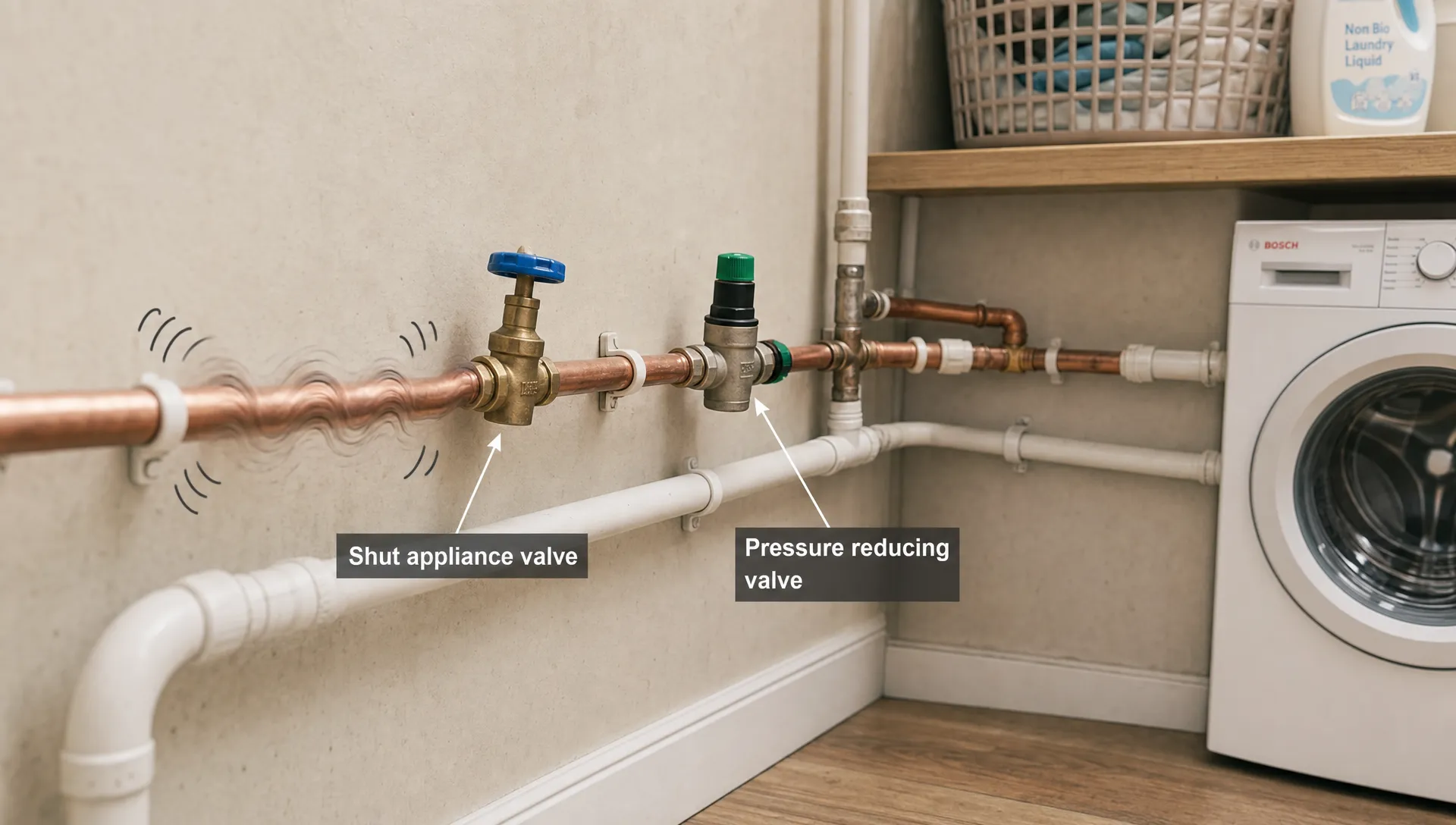
Many UK homes have a pressure reducing valve (PRV) fitted where the mains supply enters the property. This device controls the pressure of water entering your home’s internal pipework. If the PRV fails or is set incorrectly, it can cause pressure to drop throughout the entire property — or in some cases, cause it to spike dangerously high.
4. Issues with the Mains Supply
Sometimes the problem lies outside your property entirely. Your water supplier may be carrying out maintenance work, there could be a burst main nearby, or the supply pipe connecting your home to the mains may be damaged or undersized. If your neighbours are also experiencing low pressure, this is a strong indicator that the issue is with the mains supply rather than your internal plumbing.
How to Diagnose the Problem
Before calling a plumber, it’s worth doing a little detective work. Follow these steps to narrow down the cause:
- Check all taps and outlets — Is the low pressure isolated to one tap or affecting the whole house? A single tap points to a localised blockage or aerator issue. Whole-house pressure loss suggests the PRV, stopcock, or mains supply.
- Inspect your stopcock — Ensure your internal stopcock (usually under the kitchen sink) is fully open. A partially closed valve is a surprisingly common cause of reduced pressure.
- Check with your water supplier — Visit your supplier’s website or call their helpline to see if there are any known issues or planned works in your area.
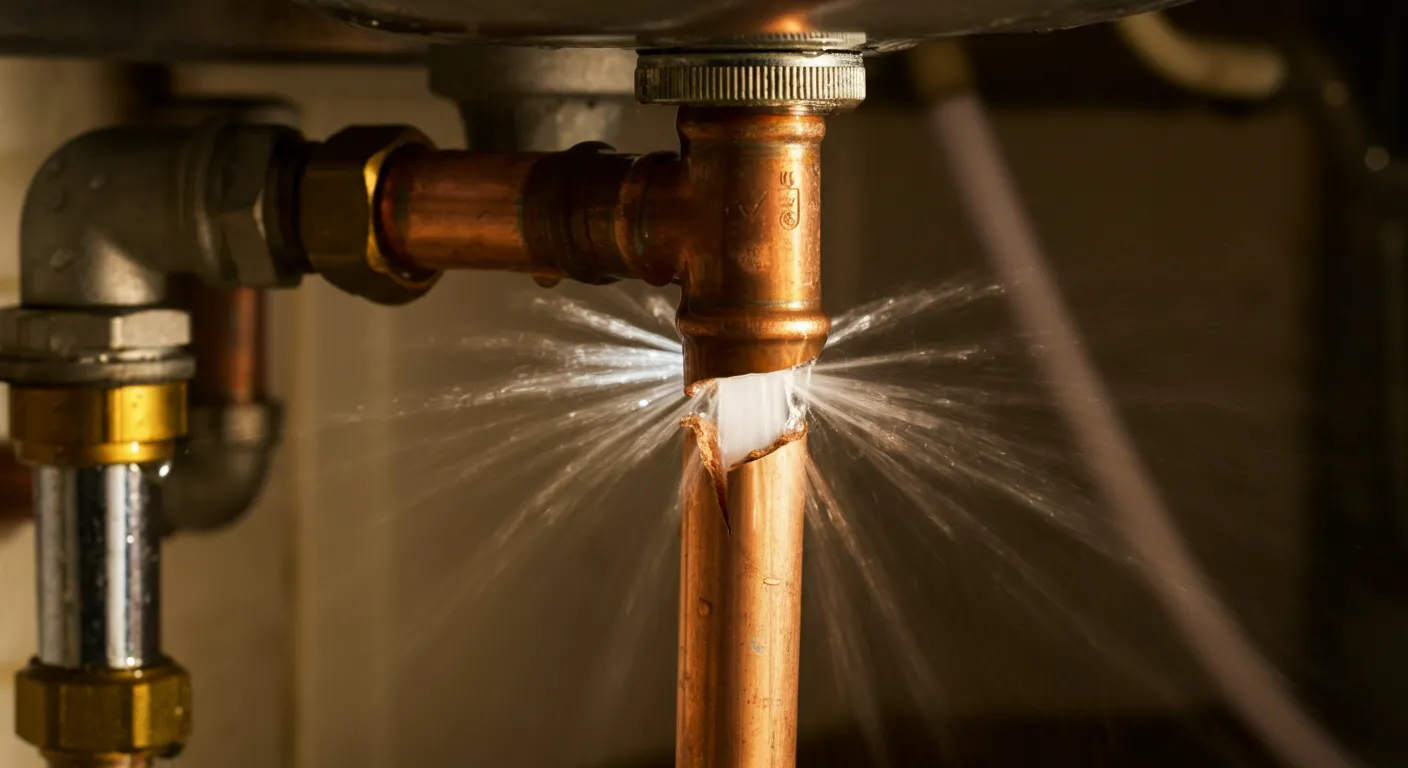
- Look for visible leaks — Check under sinks, around the boiler, and along any exposed pipework. Even a small leak can cause a noticeable drop in pressure.
- Test your water pressure — You can buy an inexpensive pressure gauge from a DIY store or plumbers’ merchant and attach it to an outdoor tap. Normal mains pressure in the UK is typically between 1 and 3 bar. Anything below 1 bar is considered low.
DIY Fixes You Can Try
Some causes of low water pressure are straightforward to fix yourself without specialist knowledge:
- Clean your showerhead and tap aerators — Unscrew them and soak in a descaling solution or white vinegar overnight. This can make a dramatic difference in hard water areas.
- Open the stopcock fully — Turn it anticlockwise as far as it will go to ensure maximum flow.
- Flush your cold water tank — If your home uses a gravity-fed system with a cold water storage tank in the loft, sediment build-up in the tank can affect pressure. Draining and flushing the tank may help. Note that any work on your plumbing system should comply with the Water Supply (Water Fittings) Regulations 1999.
- Install a water softener — If limescale is a recurring problem, a whole-house water softener can prevent future build-up and protect your appliances.
When to Call a Professional Plumber
While some fixes are well within the reach of a confident DIYer, others require professional expertise. You should contact a qualified plumber if:
- The low pressure affects your entire property and you cannot identify the cause
- You suspect a faulty or incorrectly set pressure reducing valve
- There are signs of a hidden leak, such as damp patches on walls or ceilings
- Your pipework is old and may need replacing
- You want to install a booster pump to increase mains pressure throughout your home
- Any significant plumbing work requires compliance with the Water Supply (Water Fittings) Regulations 1999 — a qualified tradesperson will ensure all work meets the required standard
A qualified plumber registered with a recognised body such as WaterSafe or a member of the Chartered Institute of Plumbing and Heating Engineering (CIPHE) will be able to carry out a full pressure test, identify the root cause, and carry out any necessary repairs safely and in compliance with the Water Supply (Water Fittings) Regulations 1999. For peace of mind, always look for a local, qualified tradesperson with the appropriate accreditation.