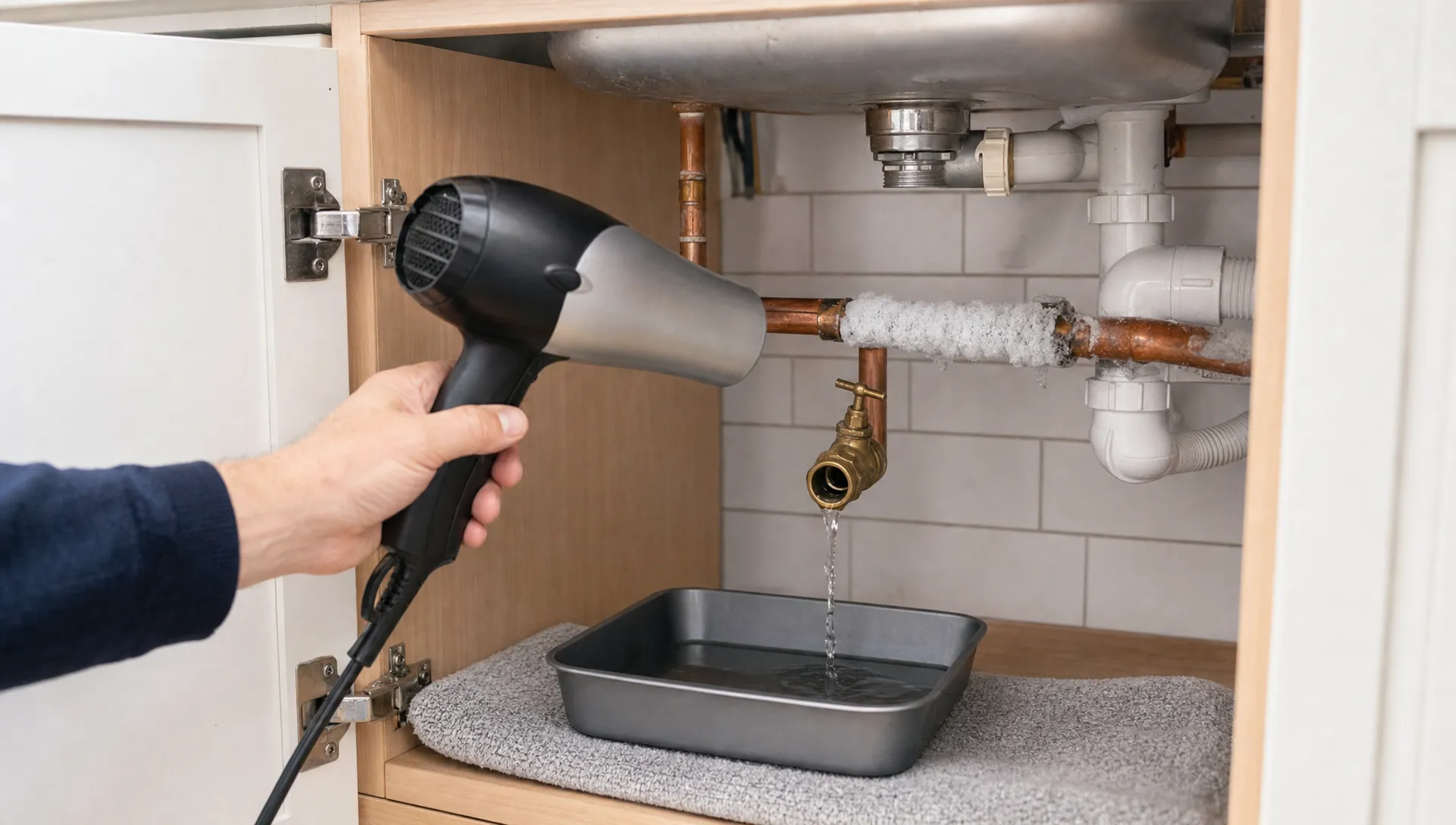
If you pause for a moment and think about it, plumbing is one of the most underappreciated systems in the modern world. It operates silently behind walls, beneath floors, and under city streets, delivering clean water and carrying away waste with remarkable efficiency. Yet, despite its low profile, plumbing has played a central role in shaping human civilization.
A Brief Journey Through Time
Long before stainless steel sinks and ceramic toilets, ancient civilizations were already experimenting with plumbing. The Indus Valley civilization, around 2500 BCE, had sophisticated drainage systems built into their cities. The Romans later elevated plumbing to an art form, constructing aqueducts that transported water across vast distances using gravity alone. Their public baths and fountains were not only functional but also symbols of societal advancement.
After the fall of the Roman Empire, much of this knowledge was lost in Europe, leading to centuries of poor sanitation. It wasn’t until the 19th century, with the rise of urbanization and public health awareness, that plumbing systems began to modernize again.
How It All Works
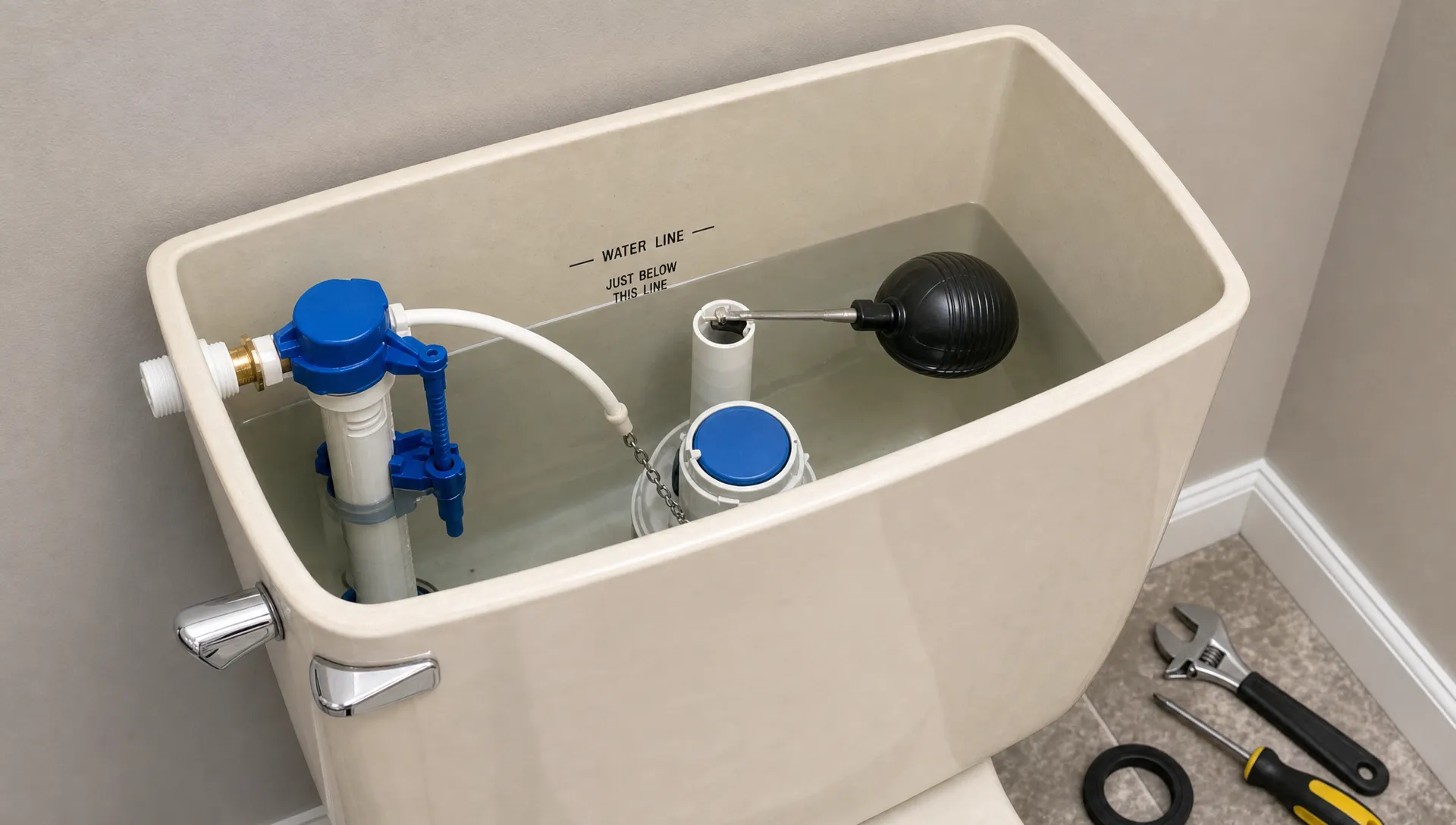
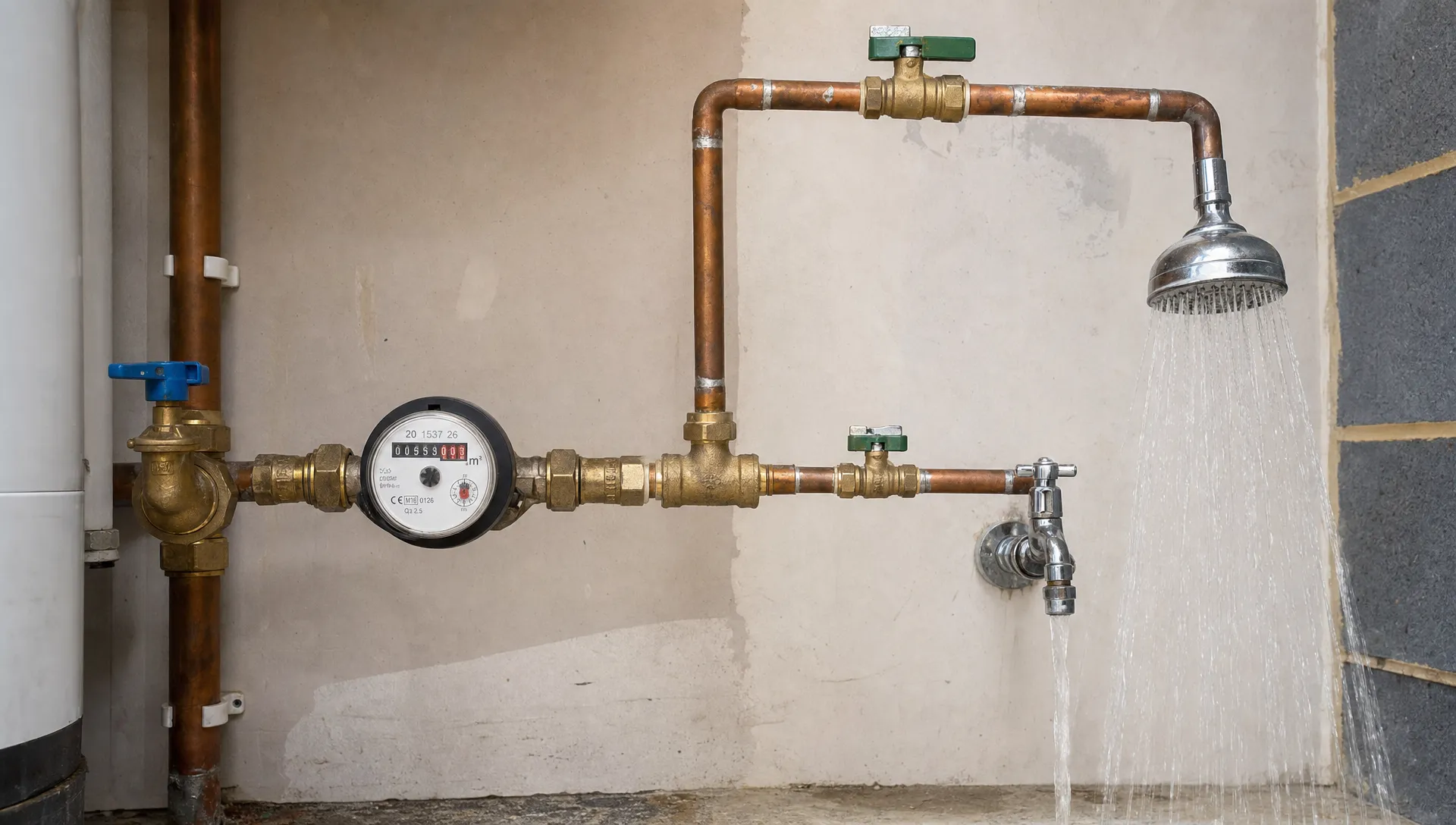
At its core, plumbing relies on a few simple principles: gravity, pressure, and flow. Clean water enters a building through pressurized pipes, often regulated by municipal systems. Once used, wastewater is directed through a separate network of pipes that slope downward, allowing gravity to carry it away to treatment facilities.
Valves, traps, and vents are the unsung heroes here. A simple U-shaped pipe under your sink, known as a trap, holds a small amount of water to prevent sewer gases from entering your home. Vent pipes ensure that air pressure remains balanced, allowing water to flow smoothly.
The Materials Behind the Magic
Over time, plumbing materials have evolved significantly. Early systems used clay, lead, and wood. Today, common materials include copper, PVC (polyvinyl chloride), and PEX (cross-linked polyethylene). Each has its advantages: copper is durable and heat-resistant, PVC is lightweight and cost-effective, and PEX is flexible and easy to install.
The choice of material often depends on the application, budget, and local building codes. Behind every pipe is a decision balancing longevity, safety, and efficiency.
Plumbing and Public Health
One of the most profound impacts of plumbing is its role in improving public health. Access to clean water and proper sanitation drastically reduces the spread of diseases such as cholera, dysentery, and typhoid. Modern sewage treatment plants ensure that waste is processed safely before being released back into the environment.
In many ways, plumbing is as critical to health as medicine itself. It quietly prevents crises before they begin.
Modern Innovations
Today’s plumbing systems are becoming smarter and more sustainable. Low-flow fixtures reduce water consumption, while sensor-based taps minimize waste. Some homes now feature leak-detection systems that alert homeowners to potential issues before they become costly disasters.
Greywater recycling systems, which reuse water from sinks and showers for irrigation, are also gaining popularity as people become more environmentally conscious.
The Human Element
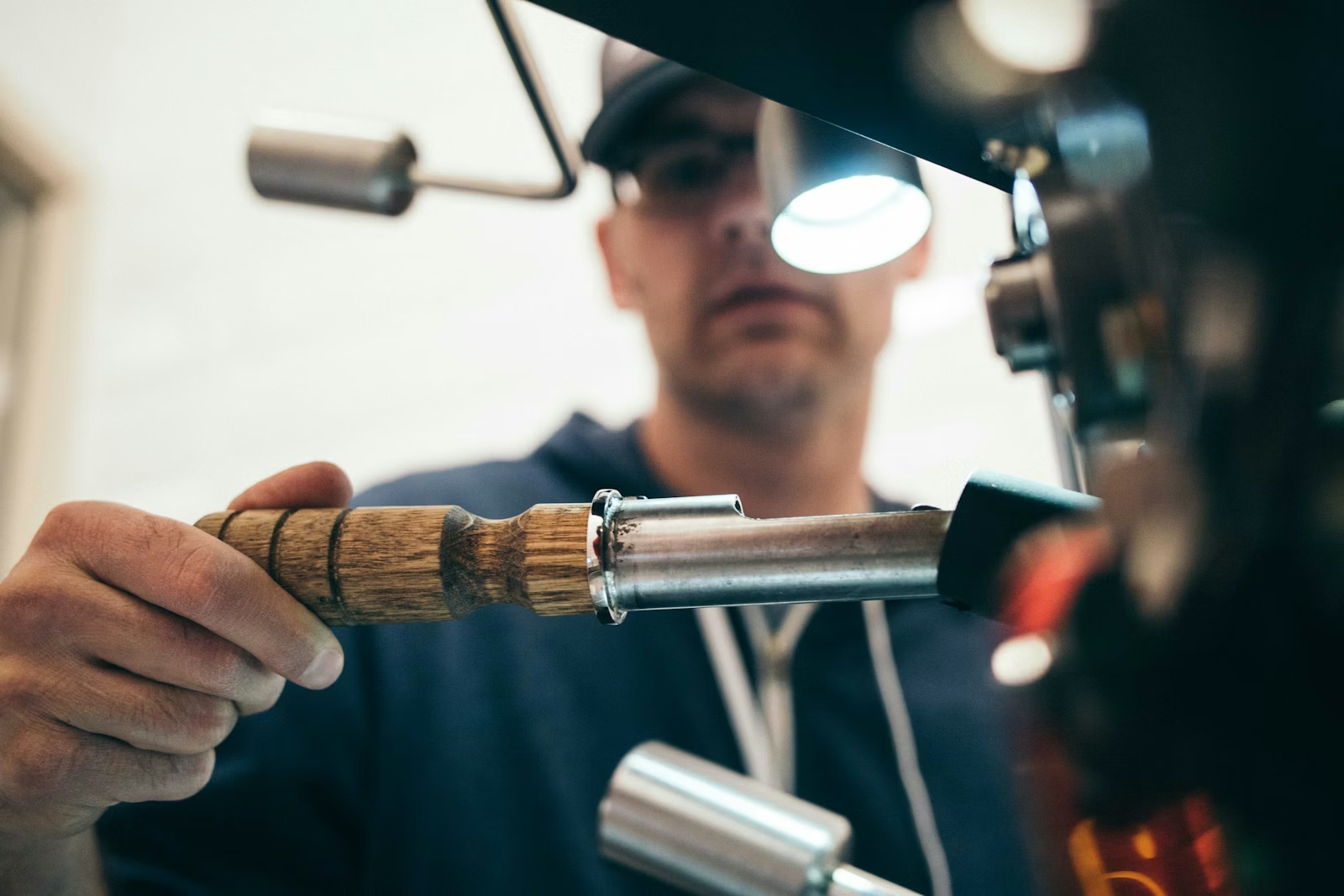
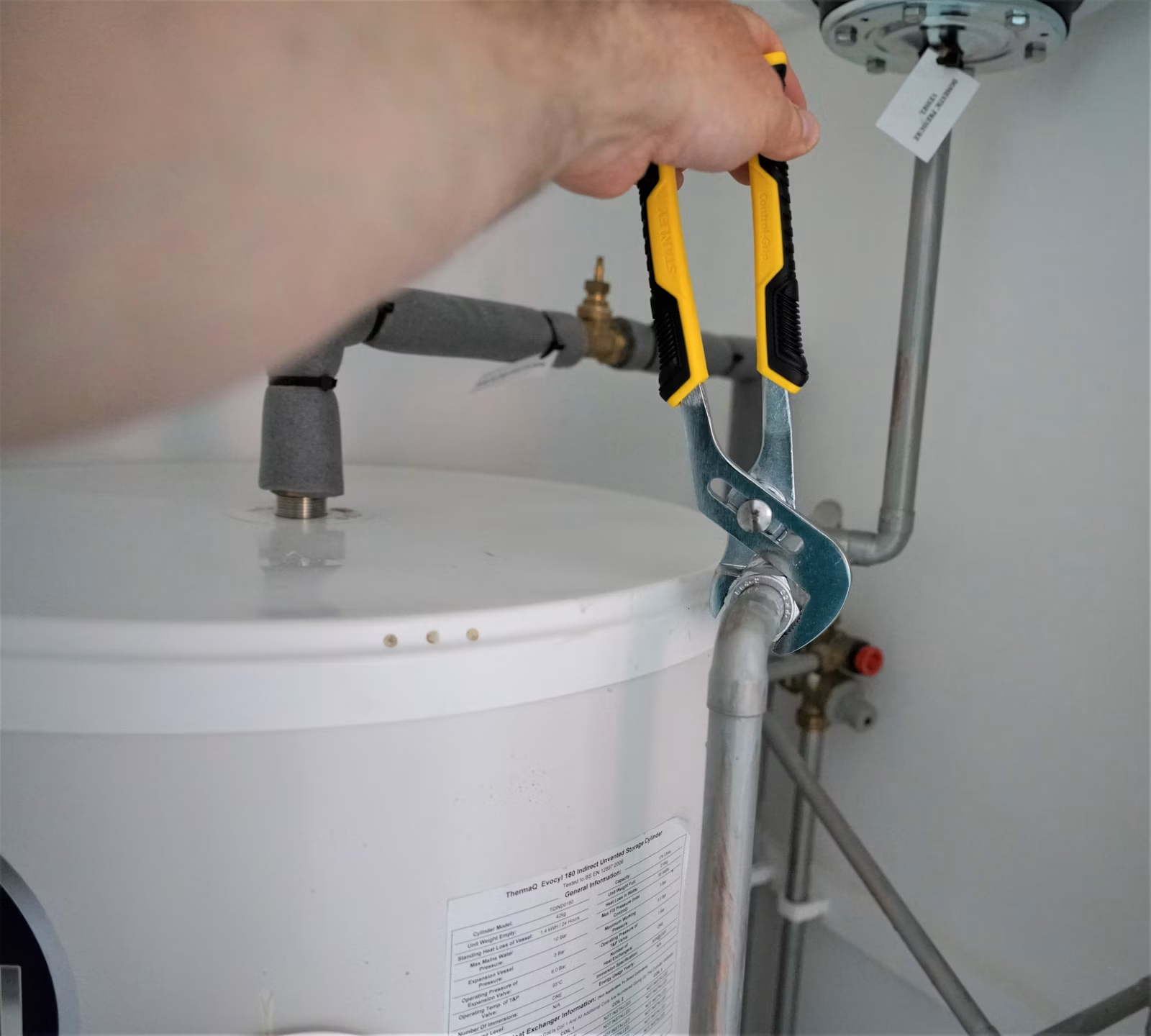
Behind every well-functioning system is a skilled plumber. These professionals combine technical knowledge with practical problem-solving skills. Whether fixing a burst pipe in the middle of winter or installing an entire system in a new building, plumbers ensure that the invisible infrastructure of daily life continues to operate smoothly.
Conclusion
Plumbing may not be glamorous, but it is indispensable. It connects us to clean water, protects our health, and supports the rhythm of everyday life. The next time you turn on a tap or flush a toilet, take a moment to appreciate the intricate system working tirelessly behind the scenes. It’s a quiet marvel—one that truly keeps the world flowing.