With energy prices still a major concern for UK households, finding practical ways to reduce your heating bills has never been more important. The good news is that many of the most effective measures cost little or nothing to implement. Here are 10 proven tips to help you stay warm this winter without breaking the bank.
1. Bleed Your Radiators
If your radiators feel cold at the top but warm at the bottom, trapped air is preventing hot water from circulating properly. Bleeding your radiators releases this air and restores full heating efficiency. All you need is a radiator key, available from any DIY store for under £2. A well-bled radiator system can noticeably reduce the time your boiler needs to run, cutting your energy use in the process.
2. Draught-Proof Doors and Windows
Draughts account for a significant proportion of heat loss in older UK homes. Self-adhesive foam strips around door and window frames are inexpensive and easy to fit yourself, typically costing £5–£20 per room. Don’t forget the letterbox, keyhole, and any gaps around pipework entering the house. The Energy Saving Trust estimates that draught-proofing your home can save around £45 a year on energy bills.
3. Add Loft Insulation
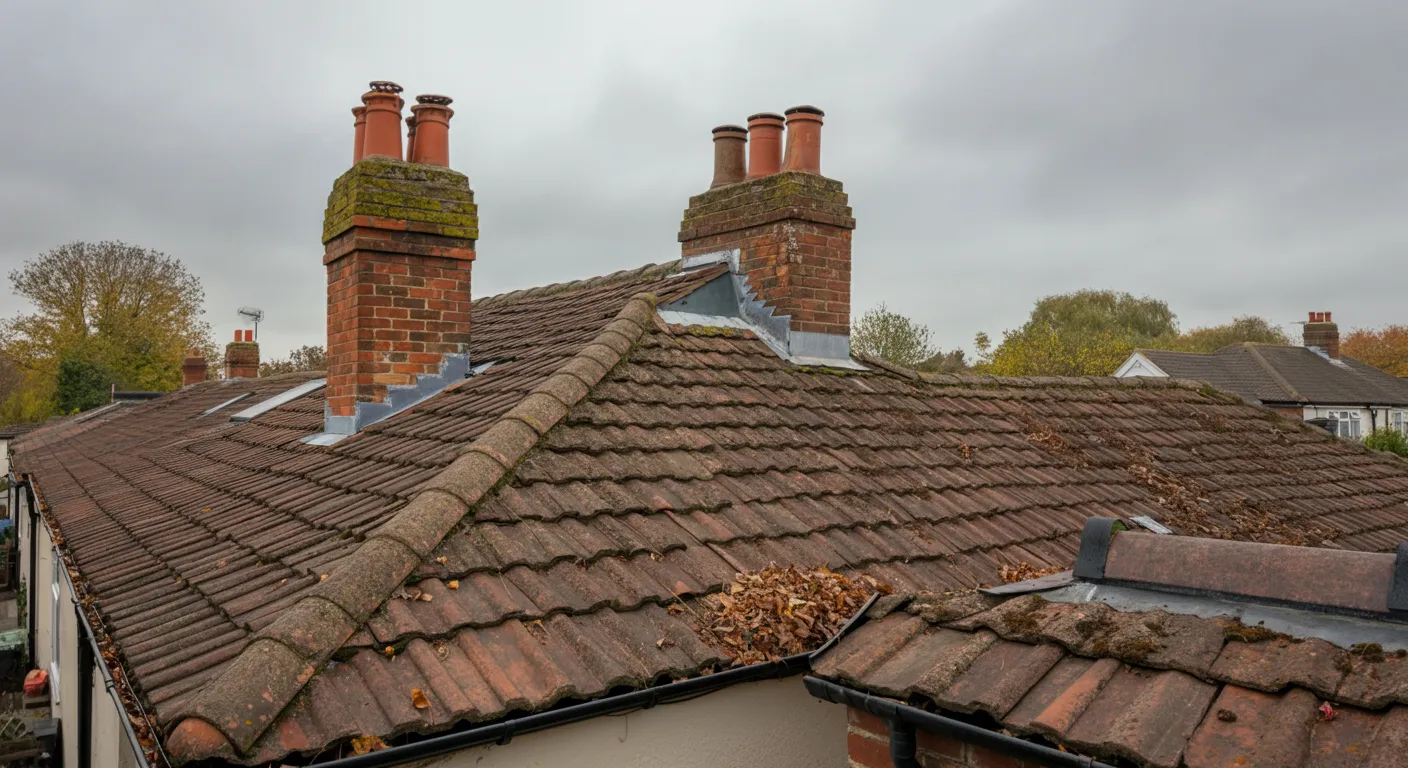
Around a quarter of a home’s heat is lost through an uninsulated roof. Installing 270mm of mineral wool loft insulation is one of the most cost-effective upgrades you can make, with potential savings of up to £150 a year. Many UK energy suppliers and local councils offer subsidised or even free loft insulation through government-backed schemes. If your loft is already insulated but the layer is thin or old, topping it up is a quick win.
4. Use a Smart Thermostat
A smart thermostat lets you control your heating remotely via a smartphone app and learn your household’s routine to heat your home only when needed. Devices such as the Hive, Nest, or Tado can save the average household between £75 and £150 per year compared with a basic programmer. You can also set holiday modes and receive energy usage reports to spot further savings. The upfront cost is typically £100–£200, making payback relatively swift.
5. Turn Down the Thermostat by 1°C
It sounds almost too simple, but reducing your thermostat setting by just one degree can cut your heating bill by up to 10%, saving around £80–£100 a year for a typical UK home. Most people find they barely notice the difference, especially if they layer up with an extra jumper. Set your thermostat to the lowest comfortable temperature — the World Health Organisation recommends 18°C for healthy adults. Small adjustments like this add up significantly over a full winter season.
6. Use TRVs to Heat Only Occupied Rooms
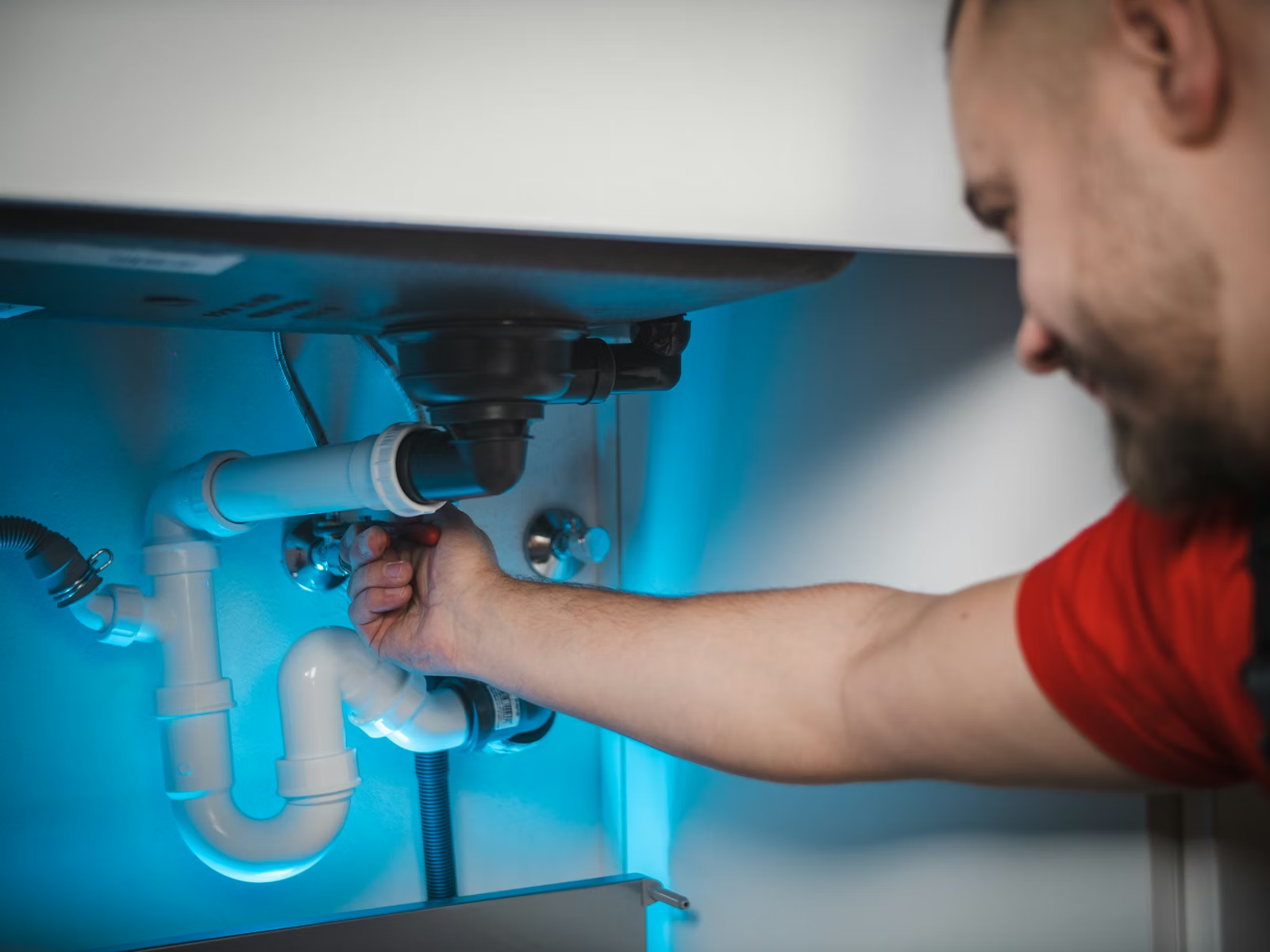
Thermostatic Radiator Valves (TRVs) allow you to control the temperature in individual rooms, so you’re not wasting energy heating spaces that aren’t in use. Turn TRVs down in spare bedrooms, hallways, and other rarely used areas while keeping living rooms and bathrooms at a comfortable level. Fitting TRVs to all radiators (except the one in the room with your main thermostat) is a straightforward job for a plumber and can save around £70 a year. Modern smart TRVs go even further, allowing room-by-room scheduling from your phone.
7. Service Your Boiler Annually
A poorly maintained boiler has to work harder to produce the same amount of heat, using more gas and costing you more money. An annual boiler service by a Gas Safe registered engineer typically costs £60–£120 and ensures your boiler is running at peak efficiency. Regular servicing also extends the life of your boiler and reduces the risk of a costly breakdown in the middle of winter. Check whether your home insurance or energy supplier includes a boiler cover plan that covers annual servicing.
8. Use Thick Curtains
Windows are a major source of heat loss, and heavy, lined curtains act as an extra layer of insulation against the cold. Close them as soon as dusk falls to trap the warmth inside, and make sure they don’t hang over radiators, which would block heat from entering the room. If replacing curtains isn’t in the budget, thermal lining can be added to existing curtains for as little as £10–£15 per window. Even a draught-excluding door curtain (portière) over an external door can make a noticeable difference.
9. Check for Government Grants
The UK government offers several schemes to help homeowners and renters reduce their energy costs. The ECO4 scheme provides fully funded energy efficiency improvements — including insulation and heat pumps — for eligible low-income households. The Warm Home Discount offers a £150 rebate on electricity bills for qualifying customers. Visit the GOV.UK website or speak to your energy supplier to find out what you’re entitled to. Many people miss out on hundreds of pounds of support simply because they haven’t checked their eligibility.
10. Consider a Heat Pump for the Long Term
Air source heat pumps are up to three times more efficient than a gas boiler, extracting heat from outside air even in cold weather and using it to warm your home. While the upfront cost can be significant — typically £7,000–£13,000 installed — the UK government’s Boiler Upgrade Scheme currently offers a £7,500 grant to help offset the expense. Running costs depend on your home’s insulation levels, but a well-insulated property can see meaningful savings on annual heating bills. If you’re planning a major renovation or your boiler is nearing the end of its life, a heat pump is well worth investigating.
Reducing your heating bills doesn’t have to mean being cold this winter. By working through these 10 tips — starting with the free and low-cost measures and building towards longer-term investments — you can make a real dent in your energy costs while keeping your home warm and comfortable. Every small change adds up, so start today and feel the difference by the time the first frost arrives.