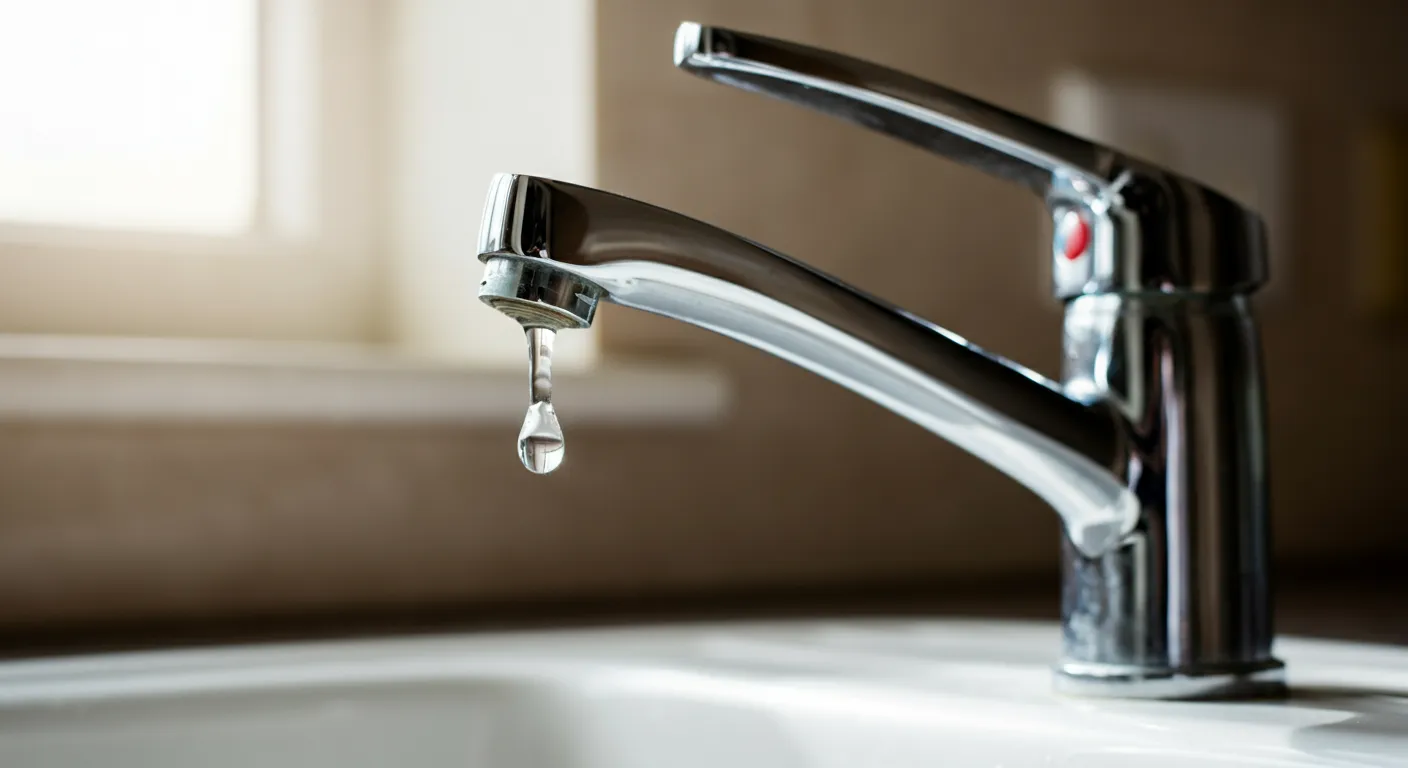
Frozen pipes are not just a winter nuisance. When water freezes inside a pipe, it expands and increases pressure until the pipe, joint or fitting gives way. The leak often appears only after the ice starts to thaw, which is why a quiet cold night can turn into a soaked ceiling, damaged flooring or no running water the next morning.
The good news is that you can often spot the warning signs early, thaw a pipe safely and reduce the chance of a burst with a few practical winter checks. The key is to act calmly, avoid aggressive heat and know when the situation needs a plumber.
How to spot frozen pipes
A frozen pipe is not always visible. In many UK homes, vulnerable pipework runs through lofts, garages, kitchen cupboards, utility rooms, wall voids and under floors. During a cold snap, pay attention to any sudden change in water flow, pressure or sound.
| Warning sign | What it may mean | What to do first |
|---|---|---|
| Little or no water from one tap | A local section of pipe may be frozen | Keep the tap slightly open and check nearby pipework |
| No water from several taps | A larger section or incoming supply may be affected | Check with neighbours and locate your stopcock |
| Frost on exposed pipework | Ice has formed inside or around the pipe | Warm the area gently and inspect for cracks |
| Bulging, split or distorted pipe | The pipe may already be damaged | Turn off the water and call a plumber |
| Gurgling, clanking or odd flow | Ice may be restricting water movement | Stop using the affected outlet until checked |
| Damp patch after thawing | A pipe may have burst while frozen | Turn off the water and investigate immediately |
One useful test is to turn on the cold tap nearest the suspected frozen section. If only a trickle comes out, the blockage is probably between that tap and the incoming supply. If other taps run normally, the frozen area is likely local rather than a whole-house supply issue.
Do not ignore a frozen pipe just because you cannot see water escaping. Ice can plug a crack temporarily, then release a leak when it melts.
Where pipes freeze most often in UK homes
Pipes freeze where water sits still and the surrounding air gets cold enough for long enough. Exposed copper or plastic pipework in an unheated space is the obvious risk, but draughts can be just as damaging. A small gap around a waste pipe, air brick, garage door or loft hatch can chill pipework faster than the room temperature suggests.
Common risk areas include lofts, garages, outhouses, crawl spaces, conservatories, poorly insulated extensions and pipework fixed to external walls. Kitchen sink pipes are also vulnerable when cupboards sit against an outside wall, especially if the room is left unheated overnight.
Boiler condensate pipes can freeze too. This is not the same as a domestic water pipe freezing, but it can stop a boiler from working. If your boiler shows a fault during icy weather and the condensate pipe runs outside, follow the manufacturer’s guidance or contact a heating engineer.
Before you thaw a frozen pipe, do these checks
Before applying any heat, take a minute to make the area safe. If you rush, you may turn a manageable freeze into a burst pipe emergency.
Find your stopcock first. In many homes it is under the kitchen sink, in a utility cupboard, in a downstairs WC or near where the mains water enters the property. Turn it gently to make sure it moves. If the pipe has split or water starts escaping, you need to be able to shut the supply off immediately.
Next, check whether water is near electrical sockets, appliances, the consumer unit or light fittings. If there is any sign of water close to electrics, do not touch wet switches or plugs. Turn off power only if it is safe to reach the consumer unit without stepping through water, then get professional help.
Finally, look closely at the suspected frozen section. If the pipe is bulging, cracked, heavily corroded or pulled away from clips, do not try to thaw it yourself. Turn the water off and arrange an urgent repair.
How to thaw frozen pipes safely
Safe thawing is slow, steady and controlled. Your aim is to melt ice gradually, restore flow and spot leaks as soon as they appear.
Open the nearest tap slightly
Open the tap supplied by the frozen pipe. This gives melting water and steam pressure somewhere to escape. If both hot and cold feeds may be affected, open both sides gently.
Do not force a tap that feels stuck. Frozen valves, stiff outdoor taps and brittle fittings can break if twisted too hard.
Warm the pipe gently
Use low, even heat. A hairdryer on a warm setting, hot water bottle, warmed towel or portable electric heater placed at a safe distance can help. Keep the heat moving rather than focusing on one point.
Start near the tap and work back towards the colder section. This helps water escape as the ice melts. If you start at the far end, pressure can become trapped between an ice plug and a closed fitting.
Keep watching for leaks
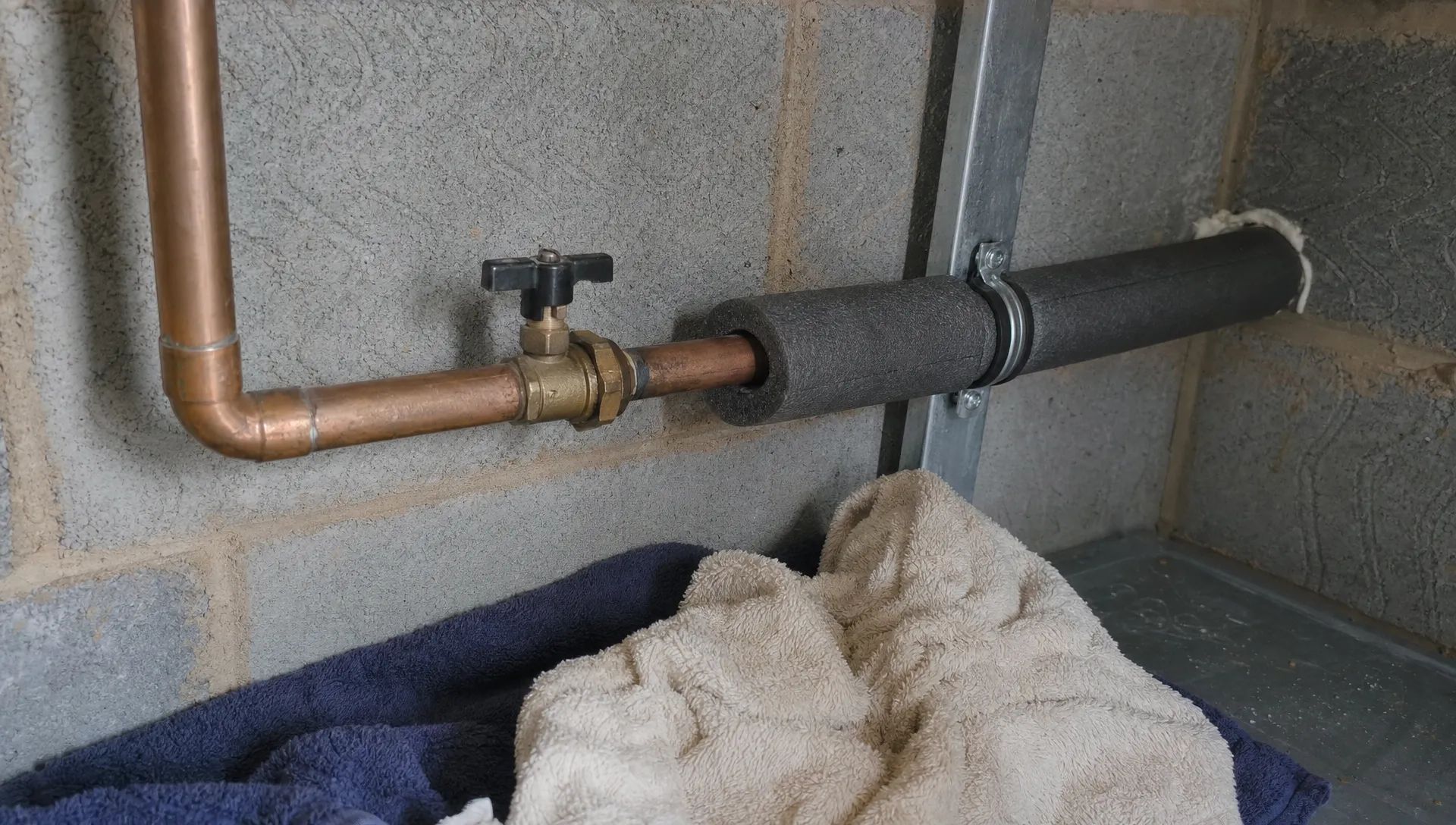
As the pipe thaws, listen for running water and check joints, elbows and fittings. Keep towels or a tray nearby. If water starts escaping, turn off the stopcock and open downstairs taps to drain pressure from the system.
A thawed pipe that looks fine can still leak later, particularly around compression joints, push-fit fittings or old soldered connections. Check the area again after 30 minutes and later the same day.
Know when to stop
If you cannot reach the frozen section, if the pipe is inside a wall or ceiling, if you have no water to the whole home or if thawing is not making progress, stop and call a plumber. Prolonged heat in the wrong place can damage materials around the pipe.
What not to use on frozen pipes
Some thawing methods are dangerous, even if they seem quick. Avoid anything that can overheat, crack or ignite materials around the pipe.
Never use a blowtorch, camping stove, naked flame, paint stripper heat gun or boiling water on pipework. These can split plastic pipe, shock cold metal, scorch timber or start a fire behind cupboards and boxing. Chemical drain unblockers are not designed for frozen supply pipes and will not solve the ice blockage.
You should also avoid repeatedly turning the mains water on and off to force pressure through the pipe. Pressure does not melt ice safely. It can turn a weakened pipe into a burst.
What to do if an outside tap is frozen
An outside tap frozen solid is common after overnight frost, especially if the garden tap has not been isolated and drained. Treat it gently because the vulnerable section is often not the tap itself but the short pipe passing through the wall.
If you have an internal isolating valve for the outside tap, turn it off. Then open the outside tap slightly to release pressure and allow any thawed water to escape. Warm the tap and exposed pipe with a cloth soaked in warm water, a hot water bottle or a gentle hairdryer if it is safe to use outdoors and away from wet conditions.
Do not yank a hose connector, force the tap head or pour boiling water over the fitting. Once thawed, check inside the property where the pipe exits the wall. A leak there can soak plasterboard, flooring or kitchen units before you notice water outside.
For future protection, isolate the outside tap before freezing weather, open it to drain standing water and fit an insulated tap cover. Remove hoses too, as trapped water in a hose can freeze back towards the tap.
How to prevent frozen pipes before the next cold snap
Prevention is mostly about insulation, air movement and routine. You do not need to overcomplicate it, but you do need to deal with vulnerable spots before the temperature drops.
Start with exposed pipework in lofts, garages, cupboards and outside walls. Fit foam pipe lagging of the correct diameter and secure it neatly around bends, valves and joints. Gaps in lagging reduce its usefulness, so pay attention to elbows and short sections near taps.
Keep some background warmth in the property during freezing weather. If you are away, avoid turning the heating off completely unless the system has been properly drained. Open cupboard doors under sinks on very cold nights so warmer room air can reach pipes against outside walls.
Draught-proofing matters too. Cold air entering through gaps around pipes, vents or garage doors can freeze a local section even when the rest of the house feels warm. Seal unwanted gaps where appropriate, but do not block required ventilation for appliances.
If you have water supplies in an outbuilding, garden office, workshop or container conversion, treat them as high-risk unless they are properly insulated and heated. Metal structures lose heat quickly, so plumbing should be planned before winter rather than added as an afterthought. If you are considering a container-based workspace, reviewing specifications from suppliers of shipping containers for sale can be a useful reminder to check insulation, ventilation and modification options before any water supply is installed.
For empty properties, holiday lets or homes undergoing renovation, consider turning off the mains water and draining down vulnerable pipework if the building will be unheated. Ask someone to check the property after severe frost, especially if there are pipes in the loft or garage.
| Area to protect | Practical prevention step | Why it helps |
|---|---|---|
| Loft pipework | Add pipe lagging and check loft insulation is not leaving pipes exposed above the warm layer | Reduces direct exposure to freezing air |
| Kitchen sink on outside wall | Open cupboard doors during cold nights | Allows warmer indoor air to circulate |
| Garage or utility pipework | Lag pipes and seal draughts around doors or wall penetrations | Limits cold air contact with standing water |
| Outside tap | Isolate, drain and cover before frost | Prevents trapped water freezing in the tap and wall pipe |
| Empty property | Keep low background heat or drain the system | Reduces freeze risk when no one is present |
After thawing, check for hidden damage
Once water starts flowing again, do not assume the problem is over. A small split can leak only when pressure returns, and water may travel along joists or pipe runs before showing on a ceiling.
Check the thawed area, nearby joints and the room below. Look for damp patches, swollen skirting, staining, musty smells, bubbling paint and drops in boiler pressure if the heating circuit was affected. If you suspect water is escaping out of sight, TradesLocal’s guide to signs you have a hidden water leak at home explains what to look for next.
It is also worth reading your water meter if you have one. Turn off all taps and appliances, then see whether the meter continues to move. Movement can indicate a leak somewhere on the supply side, although some appliances and tanks can complicate the picture.
If a frozen pipe bursts, act quickly
If a pipe bursts, shut off the stopcock, open cold taps to drain the system and move belongings away from the water if it is safe. Use towels, buckets and containers to limit spread, but do not take risks around electrics or unsafe ceilings.
For a more detailed emergency sequence, follow this guide on how to deal with a burst pipe emergency. It covers the practical first steps after water starts escaping and can help you stay focused when the situation feels chaotic.
You should call a plumber urgently if the pipe has split, the leak is active, the stopcock will not turn, water is affecting electrics or you cannot identify where the freeze is. TradesLocal can help arrange emergency plumbing callouts for urgent domestic issues across the UK.
Frequently Asked Questions
How cold does it need to be for pipes to freeze? Pipes are most at risk when temperatures stay below freezing for several hours, especially in unheated or draughty areas. Wind chill around garages, lofts and external walls can make exposed pipework freeze sooner than expected.
Will a frozen pipe always burst? No. Many frozen pipes thaw without bursting, particularly if they are in good condition and pressure can escape through an open tap. The risk rises when ice blocks the pipe completely and pressure builds between the blockage and a closed valve or fitting.
Can I use a hairdryer to thaw frozen pipes? Yes, if the pipe is accessible, dry and away from water near electrics. Use a warm setting, keep the dryer moving and start near the tap. Do not use a hairdryer outdoors in wet conditions.
What should I do if my outside tap is frozen? Turn off the internal isolating valve if you have one, open the outside tap slightly and warm it gently with towels or a hot water bottle. Do not force the tap or pour boiling water over it. Check the pipe inside the wall once it thaws.
Should I turn off the water if I find frozen pipes? If there is any sign of a crack, bulge, leak or water near electrics, turn off the water at the stopcock. If the pipe looks intact and you are thawing it carefully, keep the nearest tap open and be ready to shut the water off quickly.
Need help with frozen pipes?
Frozen pipes can often be dealt with safely when caught early, but a suspected split, hidden leak or frozen pipe inside a wall needs professional attention. If you are unsure, stop thawing, protect the area and get help before pressure returns to a damaged pipe.
TradesLocal supports homeowners with urgent plumbing problems, including frozen pipe issues, leaks and burst pipe repairs. If you need fast advice or a callback, use the TradesLocal website to request help and keep your home protected through the next cold snap.