Your roof is your home’s first line of defence against the elements — but it’s also one of the most overlooked parts of the property. Because most of us rarely look up, roof damage can quietly worsen over months or even years before it becomes an expensive emergency. In the UK’s damp climate, with its persistent rainfall, harsh British winters, and repeated freeze-thaw cycles, the consequences of neglect can be severe. The good news is that catching the warning signs early can save you thousands of pounds in repairs. Here’s what to look out for.
External Signs of Roof Damage
A visual inspection from ground level — using binoculars if needed — can reveal a surprising amount. Walk around the perimeter of your home and look for any of the following warning signs. You don’t need to climb onto the roof; in fact, doing so without professional training is strongly discouraged.
Missing, Cracked or Slipped Tiles and Slates
Tiles or slates that are cracked, broken, or have slipped out of position are one of the most obvious signs of roof damage. Even a single missing tile or slate can allow rainwater to penetrate the roof structure, leading to damp, rot, and structural damage over time. Under BS 5534 — the British Standard for slating and tiling — roofing materials must be correctly fixed to withstand the wind and weather conditions specific to their location in the UK. If your roof was installed or last repaired some years ago, it may not meet current standards. After a storm, it’s always worth doing a quick visual check from the street.
Sagging or Uneven Roof Lines
A healthy roof should have clean, straight lines along the ridge and eaves. If you notice any dipping, sagging, or bowing, this could indicate that the underlying roof structure — the rafters or decking — has been weakened by moisture or age. Given the UK’s consistently wet climate, prolonged water ingress is a common culprit. Sagging is a serious warning sign that requires urgent professional attention, as it may indicate structural failure.
Damaged or Missing Flashing
Flashing is the thin strip of metal — usually lead or aluminium — that seals the joints around chimneys, skylights, vents, and roof valleys. When flashing lifts, cracks, or corrodes, it creates a direct entry point for water. This is particularly common in older UK properties where lead flashing has aged or been disturbed. Look for any sections that appear buckled, rusted, or separated from the surface they’re meant to seal. Note that replacing lead flashing on a listed building or in a conservation area may require consent from your local council or building control.
Moss and Algae Growth
A green or black coating on your roof tiles or slates is more than just an aesthetic issue. The UK’s damp climate and mild temperatures create ideal conditions for moss and algae to thrive. Moss retains moisture against the tile surface, which can accelerate deterioration — particularly during the freeze-thaw cycles common in British winters, when trapped water expands and cracks the material. Algae growth (typically appearing as dark streaks) can also degrade roofing materials over time. While moss alone isn’t an emergency, it’s a sign that your roof needs attention.
Internal Signs of Roof Damage
Some of the most telling signs of roof damage are found inside your home. Make it a habit to check your loft space and upper ceilings regularly, especially after heavy rainfall — a common occurrence across much of the UK throughout the year.
Damp Patches or Staining on Ceilings
Yellow or brown staining on your ceiling is a classic sign of a roof leak. Water can travel along rafters and joists before dripping down, so the stain may not appear directly below the source of the leak. In the UK, where prolonged periods of rainfall are common, even a small breach in the roof covering can allow significant water ingress over time. If you notice any discolouration or soft, damp patches on your ceiling, don’t ignore them — the problem will only worsen.
Daylight Visible Through the Loft
On a bright day, head up into your loft and turn off the light. If you can see pinpricks or shafts of daylight coming through the roof, you have gaps that need addressing. Where light gets in, so does rain, wind, and cold air — all of which are in plentiful supply across the UK. Even small gaps can allow significant water ingress during the heavy downpours typical of British weather.
Mould or Damp in the Loft Space
Mould growth on loft timbers, insulation, or stored items is a strong indicator of persistent moisture. In the UK’s damp climate, this is a particularly common problem. It could be caused by a roof leak, but it may also point to inadequate ventilation — a frequent issue in older British properties. Either way, mould in the loft is both a health concern and a structural risk. It can cause timber to rot and compromise the integrity of your roof over time, and may also affect your home’s compliance with Building Regulations.
How to Safely Inspect Your Roof
Safety must always come first when inspecting a roof. Here are some practical steps you can take without putting yourself at risk:
- Ground-level inspection: Use binoculars to get a closer look at tiles, slates, flashing, and the ridge from the safety of your garden or the street.
- Loft inspection: Check your loft space after heavy rain for signs of water ingress, damp timbers, or daylight coming through. This is especially important following prolonged periods of UK rainfall.
- Check your gutters: Granules from deteriorating roof tiles or slates often collect in gutters. If you notice a gritty residue, your roofing materials may be breaking down.
- After storms: Always do a visual check following high winds or heavy rain — the most common causes of sudden roof damage in the UK, particularly during autumn and winter.
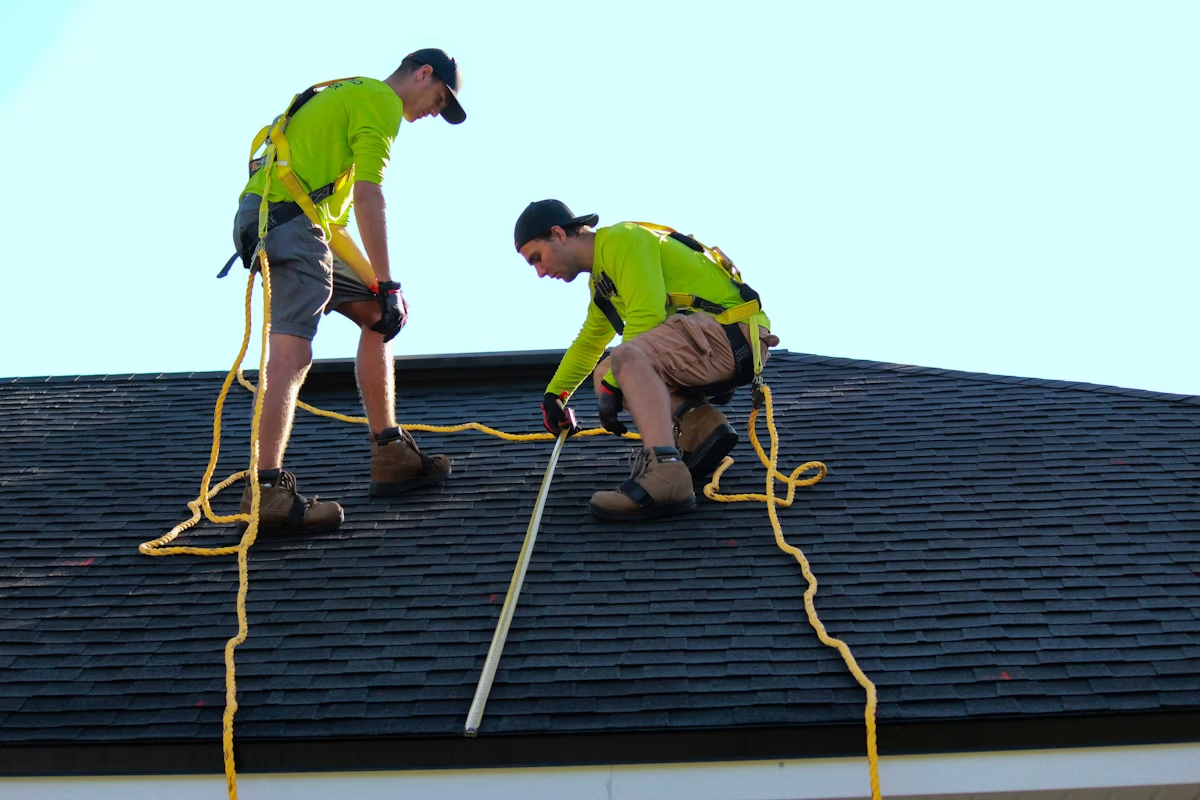
Never attempt to walk on your roof without professional training and the correct safety equipment. Falls from height are one of the leading causes of serious injury and fatality in the UK, and working at height is governed by the Work at Height Regulations 2005.
When to Call a Roofer
Some roof issues are minor and can be monitored, while others require immediate professional attention. You should call a local, qualified roofer if you notice any of the following:
- Multiple missing or broken tiles or slates
- Any visible sagging or structural deformation
- Active water ingress or ceiling leaks
- Damaged or lifted flashing around chimneys or skylights
- Mould or rot in the loft space
- Your roof is over 20 years old and has never been professionally inspected
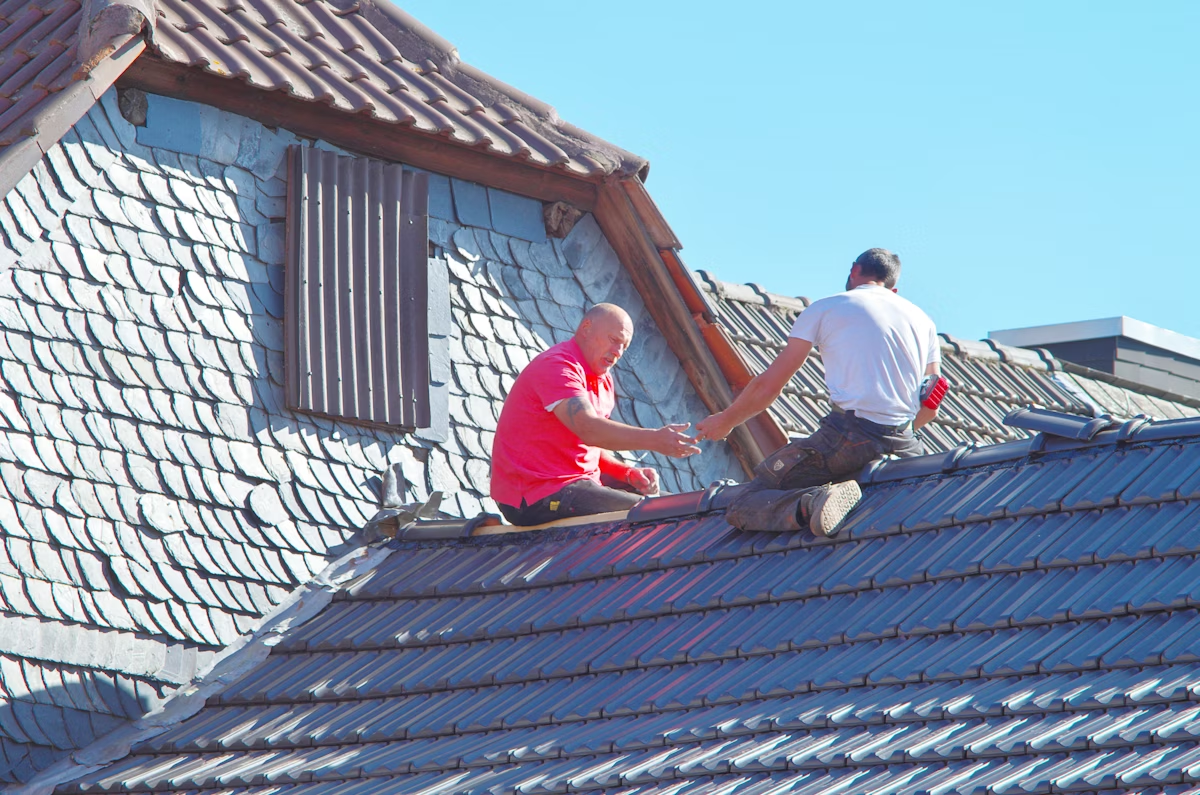
A reputable roofer will carry out a thorough inspection, provide a written quote in pounds (£), and advise you on whether a repair or full replacement is the most cost-effective solution. Where work is significant — such as a full re-roof — your roofer should also advise whether Building Regulations approval is required, and in some cases whether planning permission is needed (for example, on listed buildings or in conservation areas). Always check with your local council or building control if you are unsure. Don’t wait for a small problem to become a major one — early intervention is almost always cheaper in the long run.
When choosing a roofer, look for a contractor who is a member of the NFRC (National Federation of Roofing Contractors) — the UK’s largest roofing trade body. NFRC members are vetted for quality, hold appropriate insurance, and work to recognised industry standards including BS 5534. Using an NFRC-registered contractor gives you added peace of mind that the work will be carried out safely and to a professional standard.